Heart disease is one of the leading causes of death worldwide — and India is no exception. Yet, many people remain unaware of the early symptoms of heart blockage until a serious cardiac event occurs. Recognizing the warning signs early and consulting a cardiologist in Mohali can save your life.
At Dr. Honey Sharma’s Clinic, OPD 20, Shalby Multi-Specialty Hospital, Sector 63, Mohali, hundreds of patients have regained heart health through timely diagnosis and treatment. Dr. Sharma, one of the best interventional cardiologists in Mohali, emphasizes that early detection is the key to preventing heart attacks and complications.
🫀 What Is a Heart Blockage?
A heart blockage occurs when the arteries supplying blood to your heart become narrow or clogged due to plaque buildup — a mix of cholesterol, fatty deposits, calcium, and cellular waste.
This condition, known as coronary artery disease (CAD), restricts blood flow and oxygen supply to the heart, leading to chest pain, shortness of breath, or in severe cases, a heart attack.
💡 Did You Know?
Many heart attacks in Mohali and Chandigarh occur in people who had mild or ignored symptoms for months. That’s why preventive cardiology and routine heart checkups are critical after the age of 35.
⚠️ Early Symptoms of Heart Blockage You Should Never Ignore
Unlike sudden cardiac arrest, heart blockage develops gradually. The body sends subtle warning signs that something isn’t right — but they’re often mistaken for stress, acidity, or fatigue.
Here are the most common early signs of heart blockage, as explained by Dr. Honey Sharma, leading female heart specialist in Mohali.
1. Chest Pain or Discomfort (Angina)
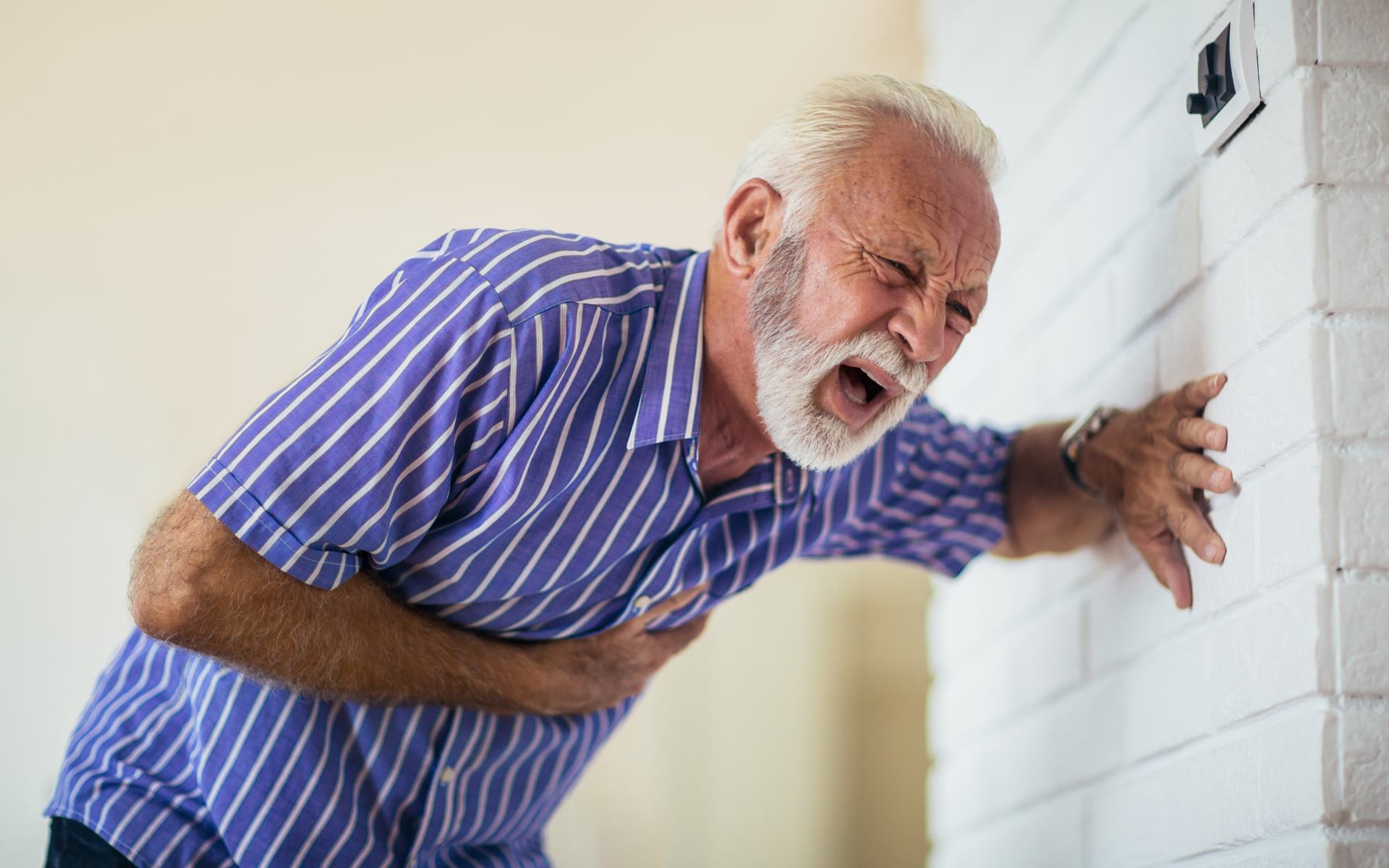
Chest pain is the most well-known symptom of a heart blockage. It typically feels like:
- Pressure, squeezing, or fullness in the chest
- Burning sensation or heaviness during exertion or stress
- Pain radiating to the arm, jaw, back, or shoulder
Dr. Sharma warns that many patients confuse this pain with acidity or muscle strain — delaying treatment. If you experience chest pain that lasts more than 5 minutes or occurs repeatedly, seek immediate medical attention.
2. Shortness of Breath (Dyspnea)
When the heart can’t pump blood efficiently, the body doesn’t receive enough oxygen. This can cause breathlessness, especially:
- During physical activity
- While climbing stairs
- Or even at rest
If you feel unusually tired or breathless doing routine tasks, it may signal a partial blockage in your coronary arteries.
3. Fatigue and Weakness
Feeling persistently weak, especially without exertion, is another red flag. As your heart struggles to circulate oxygen-rich blood, your muscles tire easily.
Women in Mohali, as Dr. Honey Sharma notes, often report fatigue as their only symptom before a cardiac event — so it’s crucial not to ignore this subtle sign.
4. Palpitations or Irregular Heartbeat
A fluttering or racing heartbeat, known as palpitations, may indicate that your heart is overworking due to restricted blood flow.
If your heart skips beats, beats too fast, or feels like it’s pounding without cause, consult a cardiologist in Mohali for an ECG or Holter Monitoring test.
5. Dizziness or Fainting
Insufficient blood supply to the brain can cause dizziness, light-headedness, or fainting spells. These episodes may indicate serious arrhythmias (abnormal heart rhythms) or impending cardiac failure.
6. Swelling in Legs, Ankles, or Feet
Fluid accumulation (edema) is often a sign of heart failure caused by long-standing blockages. When the heart’s pumping efficiency decreases, fluid builds up in the extremities, leading to visible swelling.
7. Pain in Shoulder, Jaw, or Neck
Sometimes, heart pain doesn’t appear in the chest at all. Known as referred pain, it may occur in the shoulder, jaw, neck, or even the upper back — especially in women and diabetic patients.
8. Cold Sweating or Nausea
Sweating profusely without physical activity or feeling nauseated during exertion can signal reduced oxygen flow to the heart muscles — a classic sign of unstable angina or early heart attack.
🩺 Who Is at Risk of Developing Heart Blockages?
Certain factors increase your likelihood of developing coronary artery disease, including:
- High cholesterol levels
- Uncontrolled high blood pressure
- Diabetes mellitus
- Obesity and sedentary lifestyle
- Smoking and excessive alcohol intake
- Chronic stress
- Family history of heart disease
People in their late 30s and 40s in Mohali, who often lead fast-paced, sedentary lives, are increasingly being diagnosed with early-stage heart blockages.
🔍 Diagnostic Tests to Detect Heart Blockages
At Dr. Honey Sharma’s Cardiology Clinic in Mohali, patients undergo advanced cardiac evaluations using world-class diagnostic technology.
Here are the most recommended tests to detect and monitor heart blockages:
1. ECG (Electrocardiogram)
Detects irregular heart rhythms or signs of ischemia (reduced blood flow).
2. Echocardiogram (ECHO)
Uses ultrasound to visualize heart structure and pumping function.
3. TMT (Treadmill Test)
Assesses how your heart performs under stress or exercise.
4. Coronary Angiography (CAG)
A minimally invasive procedure that visualizes blockages in coronary arteries. Dr. Honey Sharma performs Transradial Angiography (from the wrist) for comfort and quick recovery.
5. CT Coronary Angiogram
A non-invasive imaging test that helps detect early arterial narrowing.
6. FFR (Fractional Flow Reserve) Guided PCI
Measures blood pressure differences across a coronary blockage to determine the severity before performing angioplasty.
7. Holter Monitoring
A 24-hour ECG recording to evaluate irregular heart rhythms over time.
💉 Treatment Options for Heart Blockage in Mohali
Treatment depends on the severity and location of the blockage. Dr. Honey Sharma, an expert in interventional cardiology, offers customized treatment plans using cutting-edge techniques.
1. Medication Therapy
Mild blockages can be managed with lifestyle changes and prescribed medications like:
- Statins (for cholesterol control)
- Antiplatelet drugs (to prevent clots)
- Beta-blockers and ACE inhibitors (for blood pressure and heart function)
2. Angioplasty (PTCA) and Stent Placement
For moderate to severe blockages, Dr. Sharma performs Percutaneous Transluminal Coronary Angioplasty (PTCA) to open narrowed arteries and place drug-eluting stents.
3. Rotablation and IVL (Intravascular Lithotripsy)
Used for heavily calcified arteries, these advanced procedures restore smooth blood flow where traditional stents may not work.
4. Bypass Surgery (CABG)
For multiple or complex blockages, Dr. Sharma coordinates with cardiac surgeons to ensure complete revascularization.
🧘♀️ Preventing Heart Blockages – Lifestyle Tips by Dr. Honey Sharma
You can significantly reduce your risk of heart blockages by adopting healthy habits. Dr. Sharma recommends:
- Eat Smart – Focus on fiber-rich foods, fruits, vegetables, and whole grains.
- Exercise Regularly – Walk 30 minutes daily or practice yoga.
- Quit Smoking and Limit Alcohol – Both accelerate arterial damage.
- Control Stress – Meditation and deep breathing can regulate blood pressure.
- Monitor Weight – Maintain a healthy BMI to reduce cardiac load.
- Sleep Well – Poor sleep increases inflammation and heart risk.
- Routine Checkups – Visit a cardiologist in Mohali every 6–12 months for preventive screening.
🏥 Why Choose Dr. Honey Sharma – Best Cardiologist in Mohali
Dr. Honey Sharma is a highly experienced Interventional Cardiologist with over 8 years of clinical expertise in diagnosing and treating complex coronary diseases.
Her Specializations Include:
- Coronary Angiography & Angioplasty (PTCA)
- Imaging-Guided PCI (OCT/IVUS)
- Pacemaker and Defibrillator Implantation
- FFR-Guided PCI
- Rota-Ablation and IVL for Calcified Lesions
- Echocardiography, Holter Monitoring, and TMT
She is known for her transradial approach, which ensures faster recovery, minimal discomfort, and superior outcomes.
📍 Clinic Location:
OPD 20, Shalby Multi-Specialty Hospital, Sector 63, Mohali
🌐 Website: https://drhoneysharma.com/
📞 Call Now: 7986615825
💬 Frequently Asked Questions
1. What are the first signs of heart blockage?
Chest pain, breathlessness, fatigue, and palpitations are common early symptoms of coronary artery blockage.
2. How do doctors confirm a heart blockage?
Through tests like ECG, ECHO, TMT, or Coronary Angiography.
3. Can heart blockages be cured?
While complete reversal is rare, early detection and lifestyle changes can stop progression. Angioplasty or stenting may restore normal blood flow.
4. Are women’s symptoms of heart blockage different?
Yes. Women often experience fatigue, nausea, or back pain rather than classic chest pain.
5. Which is the best hospital for heart blockage treatment in Mohali?
Shalby Multi-Specialty Hospital, Sector 63, Mohali, under the care of Dr. Honey Sharma, is among the most trusted for advanced cardiac care.
❤️ Final Thoughts
Ignoring early heart blockage symptoms can lead to irreversible heart damage or a fatal heart attack. If you notice chest pain, fatigue, or breathlessness, consult Dr. Honey Sharma, the best heart specialist in Mohali, without delay.
With her advanced expertise, compassionate approach, and modern facilities at Shalby Hospital Mohali, patients receive world-class cardiac care tailored to their needs.