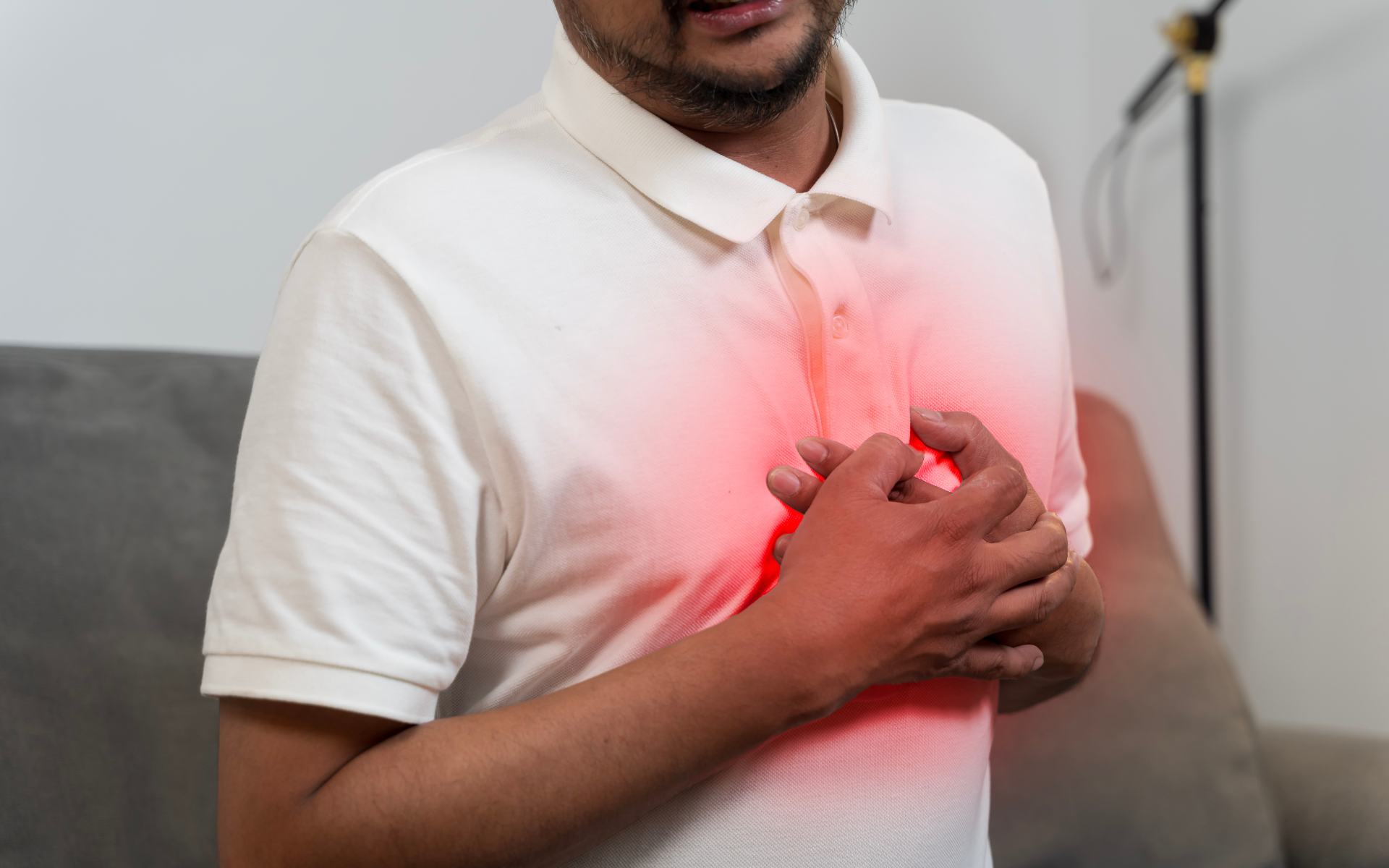
Chest pain is one of the most alarming symptoms anyone can experience, especially after the age of 30. In cities like Mohali, where work stress, sedentary lifestyles, and changing food habits are common, cardiologists are seeing a rising number of young and middle-aged adults seeking treatment for chest discomfort. While chest pain does not always indicate a heart problem, it should never be ignored.
According to leading cardiologists in Mohali, chest pain after 30 can be a warning sign of underlying heart disease, particularly in individuals with risk factors such as high blood pressure, diabetes, smoking, obesity, stress, or family history of heart disease. Understanding when to consult a cardiologist can save lives.
Why Chest Pain After 30 Is a Serious Concern
After the age of 30, the risk of cardiovascular disease begins to increase. Arteries may start developing fatty deposits, and lifestyle-related conditions such as hypertension and diabetes may silently damage the heart.
Many people in Mohali dismiss chest pain as acidity, gas, or muscle strain. However, heart-related chest pain often presents as pressure, tightness, heaviness, or burning in the center or left side of the chest. This pain may radiate to the arm, neck, jaw, back, or shoulders and can be associated with sweating, nausea, or breathlessness.
Common Causes of Chest Pain in Adults Over 30
Chest pain can originate from various systems in the body. Some common causes include:
1. Cardiac Causes
Heart-related chest pain is the most dangerous and includes conditions such as coronary artery disease, angina, heart attack, pericarditis, and heart rhythm disorders. These require immediate medical attention.
2. Gastrointestinal Causes
Acid reflux, gastritis, and esophageal spasms can cause chest discomfort. Although these are less dangerous, they often mimic heart pain and require evaluation.
3. Musculoskeletal Causes
Muscle strain, rib injury, or inflammation of chest wall joints may cause localized pain that worsens with movement or touch.
4. Anxiety and Stress
Stress and panic attacks can cause chest tightness, palpitations, and shortness of breath. However, anxiety should only be diagnosed after ruling out heart disease.
Warning Signs That Require Immediate Cardiologist Consultation
Mohali residents should consult a cardiologist immediately if chest pain is accompanied by:
- Shortness of breath
- Sweating or cold clammy skin
- Dizziness or fainting
- Nausea or vomiting
- Pain radiating to the arm, jaw, or back
- Rapid or irregular heartbeat
These symptoms may indicate a heart attack or unstable angina and require urgent evaluation.
Why Young Adults in Mohali Are Experiencing Chest Pain
Modern lifestyles have significantly increased heart risk among people in their 30s and 40s. Contributing factors include:
- Sedentary desk jobs
- High stress and long working hours
- Lack of regular exercise
- Unhealthy diet rich in fats and sugars
- Smoking and alcohol consumption
- Poor sleep patterns
Environmental pollution and urban stress in Mohali also contribute to cardiovascular strain.
Difference Between Heart-Related Chest Pain and Acidity
Heart-related chest pain usually feels like pressure or tightness and may worsen with physical activity or emotional stress. It often improves with rest. Acid-related pain typically occurs after meals, is associated with burning sensation, and improves with antacids.
However, the distinction is not always clear. Cardiologists in Mohali emphasize that no chest pain should be assumed to be non-cardiac without proper evaluation.
Who Is at Higher Risk After 30?
Individuals with the following risk factors should be especially cautious:
- Family history of heart disease
- High blood pressure
- Diabetes
- High cholesterol
- Smoking or tobacco use
- Obesity
- High stress levels
Regular heart check-ups in Mohali are strongly recommended for people with these risk factors.
Cardiac Tests Recommended for Chest Pain Evaluation
When a patient presents with chest pain, cardiologists may recommend several diagnostic tests, including:
ECG (Electrocardiogram)
Records the electrical activity of the heart and detects rhythm abnormalities or heart attacks.
Echocardiography
An ultrasound of the heart that evaluates heart muscle function and valve health.
Treadmill Test (TMT)
Assesses how the heart performs under physical stress and helps detect blocked arteries.
Holter Monitoring
A 24-hour heart rhythm recording for patients with intermittent symptoms.
Coronary Angiography
A definitive test to visualize coronary artery blockages.
Importance of Early Diagnosis
Early diagnosis of heart disease significantly improves outcomes. Chest pain may be the first and only warning sign before a major cardiac event. Delaying medical attention can lead to heart attack, heart failure, or sudden cardiac death.
In Mohali, cardiologists emphasize preventive cardiology and early screening to reduce long-term complications.
Lifestyle Changes to Reduce Chest Pain Risk
Preventive measures play a crucial role in heart health:
- Engage in regular physical activity
- Maintain a balanced, heart-healthy diet
- Manage stress through meditation or yoga
- Quit smoking and limit alcohol intake
- Get adequate sleep
- Control blood pressure, sugar, and cholesterol levels
These steps can significantly lower the risk of heart-related chest pain.
When to Visit a Cardiologist Even If Pain Is Mild
Even mild or occasional chest pain should be evaluated if it:
- Recurs frequently
- Occurs during physical activity
- Wakes you from sleep
- Is associated with palpitations or breathlessness
A consultation with a cardiologist in Mohali can provide reassurance and prevent serious complications.
Conclusion
Chest pain after 30 should never be ignored. While not all chest pain is heart-related, the risk of cardiovascular disease increases with age and lifestyle factors. Mohali residents must remain vigilant and seek timely cardiology evaluation for any unexplained chest discomfort.
Early diagnosis, regular heart check-ups, and lifestyle modifications are the cornerstones of preventing serious heart conditions. If you or a loved one experiences chest pain, consulting an experienced cardiologist can make all the difference.
Your heart health is invaluable—listen to the warning signs and act early.