Heart-related emergencies can occur suddenly and without warning. Many people delay seeking medical attention because they are unsure whether their symptoms are serious. This delay can be life-threatening. Understanding emergency heart symptoms and acting quickly can save lives and prevent permanent heart damage. Cardiologists consistently emphasize that when it comes to the heart, time is critical.
Why Recognizing Heart Emergencies Is Crucial
The heart supplies oxygen-rich blood to the entire body. Any interruption in its function can quickly affect vital organs, including the brain. Conditions such as heart attacks, life-threatening arrhythmias, and acute heart failure require immediate medical care. Early treatment significantly improves survival rates and long-term recovery.
Chest Pain or Discomfort
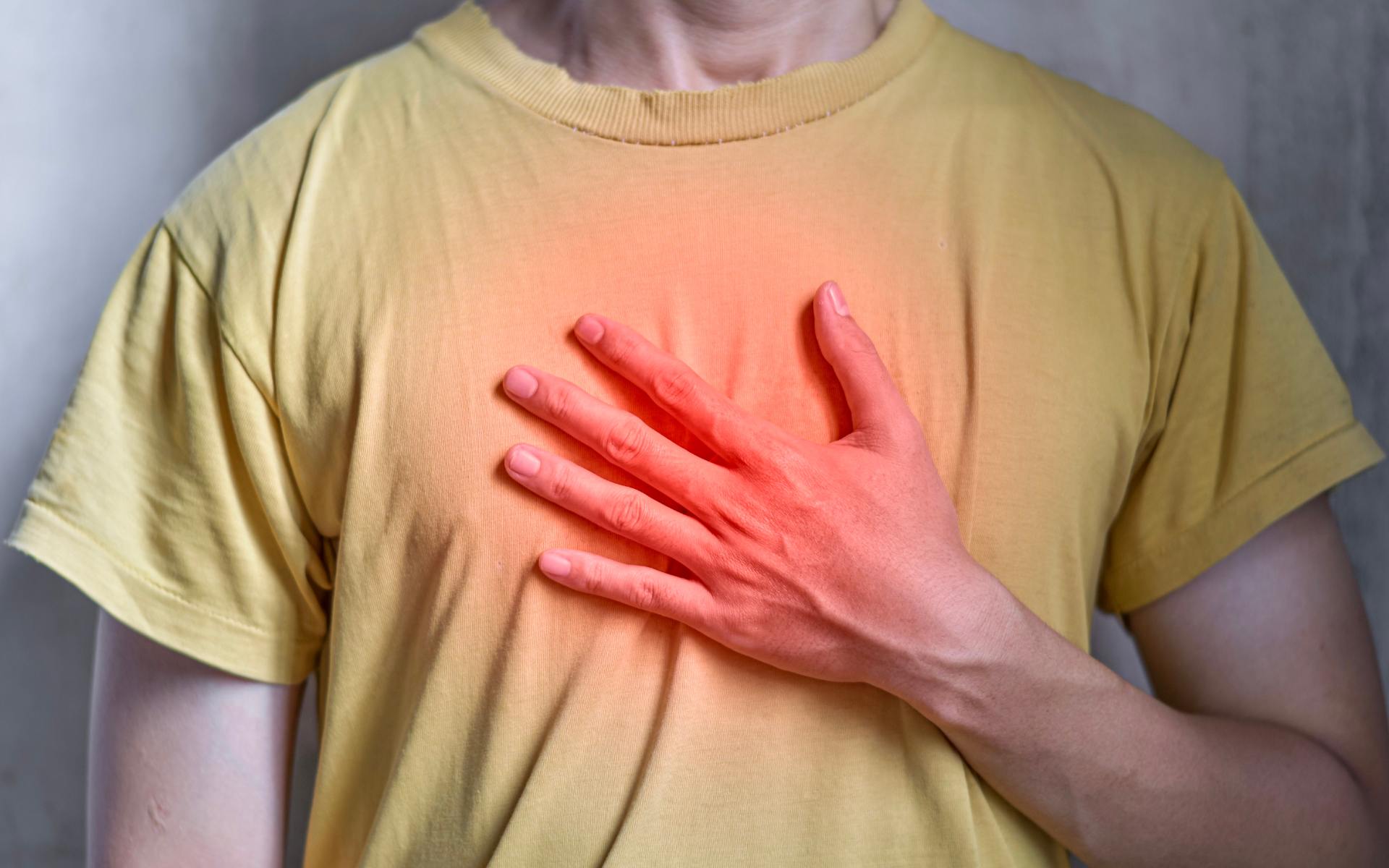
Chest pain is the most common and well-known symptom of a heart emergency. It may feel like pressure, tightness, heaviness, burning, or squeezing in the center or left side of the chest. The pain can last for a few minutes or come and go.
Heart-related chest pain may worsen with physical activity and improve slightly with rest, but it should never be ignored. Some people experience mild discomfort rather than severe pain, especially elderly individuals and people with diabetes.
Pain Radiating to Arm, Jaw, Neck, or Back
Heart pain often spreads beyond the chest. Discomfort may radiate to the left arm, both arms, neck, jaw, shoulders, or upper back. This radiating pain is a strong warning sign of a heart attack and requires immediate medical evaluation.
Ignoring radiating pain and assuming it is muscle-related can delay life-saving treatment.
Sudden Shortness of Breath
Unexplained breathlessness, especially at rest or with minimal activity, can indicate a serious heart problem. This symptom may occur with or without chest pain. Sudden shortness of breath can be caused by heart attack, acute heart failure, or dangerous heart rhythm disorders.
If breathing feels labored, rapid, or uncomfortable without a clear reason, emergency care is essential.
Profuse Sweating Without Physical Exertion
Cold sweats or sudden excessive sweating without heat exposure or exercise can be a sign of a heart emergency. Many heart attack patients report breaking out into a cold sweat accompanied by chest discomfort or weakness.
This symptom is often overlooked but should be treated as an urgent warning.
Nausea, Vomiting, or Indigestion-Like Symptoms
Heart emergencies do not always present with classic chest pain. Some people experience nausea, vomiting, bloating, or a feeling similar to acidity or indigestion. These symptoms are more common in women, elderly individuals, and diabetics.
Persistent nausea combined with other symptoms such as sweating, breathlessness, or chest discomfort should prompt immediate medical attention.
Sudden Dizziness or Lightheadedness
Feeling dizzy, faint, or lightheaded can indicate reduced blood flow to the brain due to a heart problem. This may occur during heart attacks, severe arrhythmias, or sudden drops in blood pressure.
If dizziness is accompanied by chest pain, palpitations, or shortness of breath, it should be treated as an emergency.
Fainting or Loss of Consciousness
Sudden fainting or collapse is a serious warning sign. It may be caused by dangerous heart rhythm abnormalities, blocked blood flow, or structural heart disease. Any unexplained loss of consciousness requires immediate evaluation.
Ignoring fainting episodes can lead to sudden cardiac arrest if the underlying cause is not treated.
Palpitations With Weakness or Chest Discomfort
Palpitations are sensations of rapid, irregular, or pounding heartbeats. While some palpitations are harmless, those associated with weakness, dizziness, chest pain, or breathlessness can indicate life-threatening arrhythmias.
Sustained or severe palpitations should never be ignored, especially if symptoms worsen quickly.
Sudden Extreme Fatigue
Unusual and overwhelming fatigue that appears suddenly and without explanation can be an early sign of a heart emergency. This symptom is particularly common in women and may occur days or hours before a heart attack.
When fatigue is accompanied by other warning signs, urgent medical care is needed.
Swelling With Breathing Difficulty
Sudden swelling of the legs, ankles, abdomen, or face along with breathing difficulty may indicate acute heart failure. This occurs when the heart cannot pump blood effectively, leading to fluid accumulation.
Acute heart failure is a medical emergency and requires immediate treatment.
Symptoms of Heart Attack in Women
Women often experience atypical heart attack symptoms. These may include jaw pain, back pain, nausea, extreme fatigue, shortness of breath, anxiety, or sleep disturbances rather than classic chest pain.
Because symptoms are subtle, women are more likely to delay care. Any concerning symptoms should be taken seriously.
Symptoms of Heart Emergencies in Diabetics
People with diabetes may have silent or less intense heart symptoms due to nerve damage. They may experience breathlessness, sweating, fatigue, or nausea without chest pain.
Regular monitoring and immediate response to unusual symptoms are crucial for diabetic patients.
When to Call Emergency Services
Emergency medical services should be contacted immediately if symptoms last more than a few minutes, worsen over time, or occur suddenly without explanation. Driving yourself to the hospital is not recommended during a heart emergency.
Early arrival allows doctors to restore blood flow, stabilize heart rhythm, and prevent irreversible damage.
Importance of Early Treatment
Modern cardiology offers advanced treatments such as clot-dissolving medications, angioplasty, stenting, and life-saving devices. However, the success of these treatments depends on how quickly they are administered.
Delaying care increases the risk of complications, long-term disability, and death.
How Preventive Care Reduces Emergencies
Regular heart check-ups help identify risk factors such as high blood pressure, diabetes, cholesterol abnormalities, and early heart disease. Preventive care reduces the likelihood of sudden cardiac events.
Lifestyle modifications, medications, and timely interventions can significantly lower emergency risk.
Don’t Ignore the Warning Signs
Many heart emergencies occur because warning signs were ignored or misinterpreted. Listening to your body and acting promptly can save your life or the life of someone you love.
When in doubt, it is always safer to seek medical care than to wait.
Conclusion
Heart emergencies can affect anyone, regardless of age or fitness level. Recognizing symptoms such as chest pain, breathlessness, radiating pain, dizziness, sweating, or palpitations and seeking immediate care is essential. Quick action saves heart muscle, prevents complications, and saves lives. Awareness, preparedness, and timely medical attention are the strongest defenses against life-threatening heart events.