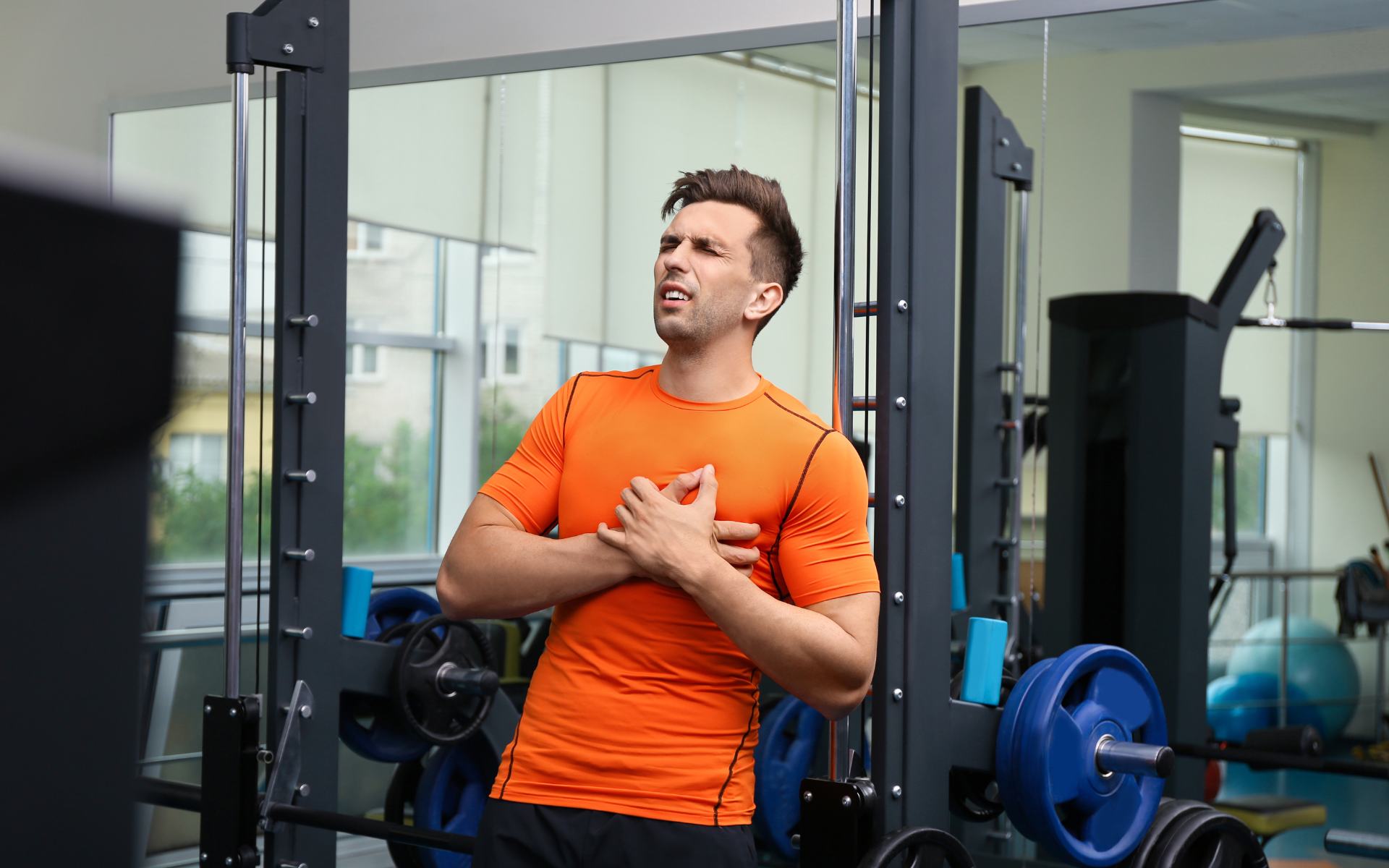
Fitness centers and gyms across the Tricity region—Mohali, Chandigarh, and Panchkula—are seeing a surge in memberships as people become more health conscious. Regular exercise is one of the most effective ways to maintain heart health, control weight, and reduce stress. However, in recent years there have been increasing reports of sudden collapses and sudden cardiac arrest during gym workouts. These incidents have raised concerns among cardiologists and fitness professionals alike.
Sudden cardiac arrest is a serious medical emergency where the heart suddenly stops beating effectively, causing loss of blood flow to the brain and vital organs. Without immediate medical attention, it can lead to death within minutes. Understanding why sudden cardiac arrest occurs during exercise and recognizing the warning signs can help prevent tragic outcomes.
Understanding Sudden Cardiac Arrest
Sudden cardiac arrest occurs when the heart’s electrical system malfunctions, causing an abnormal heart rhythm known as arrhythmia. The most common rhythm responsible for sudden cardiac arrest is ventricular fibrillation, where the heart quivers instead of pumping blood effectively.
Unlike a heart attack, which occurs when blood flow to the heart muscle is blocked, sudden cardiac arrest is primarily an electrical problem. However, a heart attack can sometimes trigger sudden cardiac arrest.
Many people confuse heart attack and sudden cardiac arrest, but both conditions require immediate medical care and rapid intervention.
Why Sudden Cardiac Arrest Happens in Gyms
Exercise is beneficial for the heart when done properly, but intense physical exertion can sometimes trigger cardiac events in individuals with underlying heart conditions. During vigorous exercise, heart rate and blood pressure increase significantly, placing additional demand on the heart.
For people with undiagnosed heart disease, this sudden increase in workload may lead to abnormal heart rhythms or cardiac arrest. High-intensity workouts, dehydration, stimulant use, and poor physical conditioning can further increase the risk.
In several reported cases across India, individuals collapsed during treadmill sessions, weight training, or intense cardio workouts.
Hidden Heart Conditions in Young Individuals
One of the most concerning aspects of sudden cardiac arrest in gyms is that it often occurs in young and seemingly healthy individuals. Many of these individuals may have hidden or undiagnosed heart conditions.
Some common underlying conditions include hypertrophic cardiomyopathy, coronary artery anomalies, myocarditis, and inherited arrhythmia disorders. These conditions may not cause noticeable symptoms during routine daily activities but can become dangerous during extreme exertion.
Without proper screening, these conditions may remain undetected until a serious event occurs.
Role of Intense Workouts and Overtraining
Modern fitness trends often promote extreme workouts such as high-intensity interval training, heavy weightlifting, and endurance challenges. While these exercises can improve fitness when performed appropriately, pushing the body beyond safe limits can be harmful.
Overtraining without adequate rest may cause excessive stress on the heart. Lack of proper warm-up and sudden bursts of intense activity can also trigger dangerous cardiac rhythms in vulnerable individuals.
Cardiologists recommend gradual progression in workout intensity rather than sudden aggressive training.
Impact of Pre-Workout Supplements
Another growing concern among cardiologists in Mohali and Chandigarh is the use of stimulant-based gym supplements. Many pre-workout formulas contain high doses of caffeine and other stimulants that significantly increase heart rate and blood pressure.
When combined with intense exercise, these stimulants can overstimulate the heart’s electrical system and trigger arrhythmias or cardiac arrest. Some supplements may also contain undisclosed ingredients that further increase cardiovascular risk.
Using such products without medical advice can be dangerous, especially for individuals with unknown heart conditions.
Dehydration and Electrolyte Imbalance
Hydration plays a critical role in maintaining proper heart function. During intense workouts, the body loses fluids and electrolytes through sweat. If these losses are not replaced adequately, electrolyte imbalances may occur.
Low levels of potassium, magnesium, or sodium can disrupt the heart’s electrical activity and increase the risk of dangerous arrhythmias. Dehydration also causes the heart to work harder, placing additional strain on the cardiovascular system.
Ensuring proper hydration before, during, and after exercise is essential for safe workouts.
Warning Signs That Should Never Be Ignored
Sudden cardiac arrest often occurs without warning, but some individuals may experience symptoms beforehand. Recognizing these warning signs can help prevent serious outcomes.
Common warning symptoms include chest pain or tightness during exercise, unexplained shortness of breath, dizziness, fainting, palpitations, and unusual fatigue. Some individuals may also feel lightheaded or experience a racing heartbeat during workouts.
If any of these symptoms occur, exercise should be stopped immediately and medical evaluation should be sought.
Importance of Cardiac Screening Before Intense Exercise
Cardiologists strongly emphasize the importance of cardiac screening before engaging in high-intensity fitness programs, especially for individuals above the age of 30 or those with risk factors.
A basic heart evaluation may include blood pressure measurement, ECG, echocardiography, and sometimes stress testing. These tests help detect underlying heart abnormalities that could pose risks during intense exercise.
People with family history of heart disease, diabetes, high cholesterol, or smoking history should be particularly cautious.
Role of CPR and Emergency Response in Gyms
Immediate response is critical when sudden cardiac arrest occurs. If the heart stops beating, brain damage can begin within four to six minutes. Cardiopulmonary resuscitation (CPR) and defibrillation can significantly increase survival chances.
Gyms should ideally have trained staff who know CPR and have access to automated external defibrillators (AEDs). Quick action by bystanders can save lives while emergency medical services arrive.
Awareness and preparedness can make a life-saving difference in such emergencies.
Safe Fitness Practices for Heart Health
Exercise remains one of the best ways to maintain a healthy heart, but safety should always be the priority. Individuals should start with moderate workouts and gradually increase intensity as fitness improves.
Proper warm-up and cool-down routines help the heart adjust to physical activity. Adequate rest between workouts is also important for recovery and preventing overexertion.
Balanced nutrition, proper hydration, and avoiding unregulated supplements can further support safe exercise habits.
Importance of Listening to Your Body
Many gym enthusiasts ignore warning signs because they believe discomfort is part of intense training. However, persistent pain, breathlessness, or dizziness should never be dismissed.
Listening to the body and seeking medical advice when symptoms occur can prevent serious complications. Pushing through pain may lead to irreversible damage.
Responsible fitness involves understanding personal limits and respecting the body’s signals.
Why Preventive Cardiology Matters
Preventive cardiology focuses on identifying heart disease risk factors before they lead to major events. Regular check-ups can detect hypertension, cholesterol abnormalities, diabetes, and early coronary artery disease.
Early treatment and lifestyle modifications can significantly reduce the risk of heart attacks and sudden cardiac arrest. Preventive care is especially important for individuals engaging in high-intensity fitness routines.
Protecting Heart Health While Staying Fit
Maintaining fitness should never compromise heart health. A balanced approach to exercise, proper medical evaluation, and awareness of warning signs are key to preventing tragedies.
The goal of fitness should be long-term wellness rather than extreme physical performance. Responsible training, combined with regular medical guidance, helps ensure that exercise strengthens the heart instead of putting it at risk.
Conclusion
Sudden cardiac arrest in gyms is a rare but serious event that can occur when intense physical exertion interacts with hidden heart conditions, stimulant use, dehydration, or poor training practices. As fitness culture continues to grow in Mohali, Chandigarh, and Panchkula, awareness about cardiac safety during workouts becomes increasingly important.
Regular heart screenings, responsible supplement use, proper hydration, and listening to warning signs can significantly reduce risks. Exercise should always support heart health, not threaten it. By taking preventive measures and staying informed, individuals can enjoy the benefits of fitness while protecting their most vital organ—the heart.