Eating out has become a regular part of modern life. Whether it is a family dinner, a quick office lunch, weekend takeaway, or a celebration at a favourite restaurant, convenient and delicious meals are increasingly popular.
However, restaurant food may contain more sodium than many people realise. Even dishes that do not taste particularly salty can contain substantial amounts of sodium from sauces, seasonings, marinades, packaged ingredients, and cooking methods.
For people with high blood pressure, frequent consumption of high-sodium meals can make blood pressure management more challenging.
Can restaurant food increase your blood pressure even if you rarely add salt to your meals?
The answer is yes. Excessive sodium intake can contribute to elevated blood pressure, and restaurant meals may be an important source.
Understanding where sodium comes from and how it affects cardiovascular health can help you make healthier food choices without completely giving up eating out.
What Is Sodium, and Why Does Your Body Need It?
Sodium is an essential mineral that helps regulate fluid balance, nerve signalling, and muscle function.
The body requires a relatively small amount of sodium to perform these functions.
Most dietary sodium comes from salt, also known as sodium chloride.
However, sodium is also present in several food additives, including sodium bicarbonate, monosodium glutamate, and certain preservatives.
Although sodium is necessary for health, excessive intake can contribute to high blood pressure and increase cardiovascular risk.
The World Health Organization recommends that adults consume less than 2,000 milligrams of sodium per day, equivalent to less than approximately 5 grams of salt.
This recommendation refers to total sodium from all foods and beverages, not just the salt added at the dining table.
Why Do Restaurant Foods Often Contain So Much Sodium?
Restaurants use salt and sodium-containing ingredients for several reasons.
Salt enhances flavour, while certain sodium-containing ingredients help preserve food, improve texture, or support food preparation.
Restaurant meals may also contain multiple sources of sodium within a single dish.
For example, a meal may include salted gravy, marinated meat, packaged sauces, cheese, pickles, and a salty side dish.
Each component adds to the total sodium content.
Portion sizes can also be larger than those typically consumed at home.
As a result, one restaurant meal may provide a substantial proportion of a person’s recommended daily sodium intake.
However, sodium levels vary widely between restaurants, recipes, and serving sizes.
How Does Excess Sodium Affect Blood Pressure?
Sodium plays an important role in regulating the body’s fluid balance.
When sodium intake becomes excessive, the body may retain more water, increasing the amount of fluid circulating through blood vessels.
This can contribute to higher blood pressure.
Sodium may also influence blood vessel function, kidney regulation, and hormonal pathways involved in blood pressure control.
The response varies between individuals.
Some people are particularly sensitive to sodium, meaning their blood pressure changes more noticeably when sodium intake increases or decreases.
Others experience smaller immediate changes.
Nevertheless, reducing excessive sodium intake is an established strategy for preventing and managing hypertension.
Can One Salty Restaurant Meal Raise Blood Pressure?
A high-sodium meal can temporarily influence blood pressure in some individuals.
However, the size of the effect depends on sodium sensitivity, kidney function, hydration, medications, and existing medical conditions.
Some people may notice higher readings after consuming a particularly salty meal.
Others may experience little immediate change.
It is important to understand that a single blood pressure reading cannot reliably establish the effect of one meal.
Blood pressure naturally fluctuates throughout the day because of physical activity, stress, sleep, caffeine, and other factors.
The greater concern is frequent high-sodium consumption over time.
Regularly eating meals containing excessive sodium may contribute to persistently elevated blood pressure and increased cardiovascular risk.
Which Restaurant Foods May Be High in Sodium?
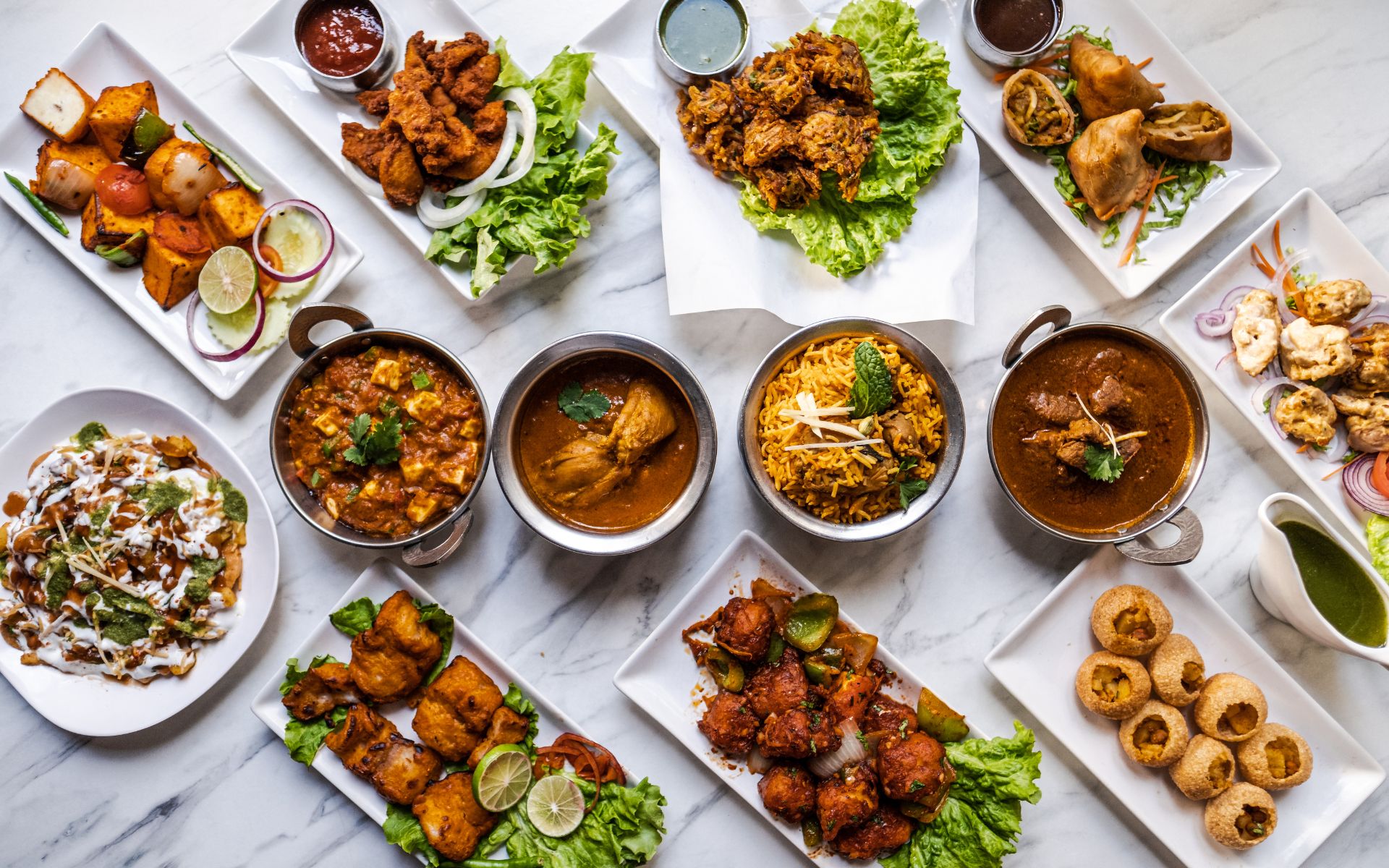
Many popular restaurant dishes can contain significant amounts of sodium.
1. Chinese-Style Restaurant Foods
Dishes prepared with soy sauce, chilli sauce, seasoning mixes, and other condiments may contain substantial sodium.
Examples include some preparations of noodles, fried rice, Manchurian, and chilli paneer.
The amount depends on the recipe and portion size.
2. Pizza and Fast Food
Pizza may contain sodium from cheese, sauces, processed meats, and the crust.
Burgers, sandwiches, and wraps may also contain sodium from bread, sauces, cheese, and processed ingredients.
3. Restaurant Curries and Gravies
Indian restaurant dishes can contain added salt in gravies, marinades, spice blends, and accompanying sauces.
Paneer dishes, butter chicken, and other rich preparations may be high in sodium depending on how they are prepared.
4. Packaged Soups and Sauces
Soups, ready-made gravies, ketchup, and bottled sauces may contain substantial sodium.
A dish that tastes only mildly salty can still contain sodium from several ingredients.
5. Pickles, Papad, and Chutneys
Pickles and papad are common accompaniments to Indian meals.
Many varieties contain considerable salt.
Certain packaged chutneys and condiments may also contribute to sodium intake.
The goal is not to label every restaurant dish as unhealthy but to recognise ingredients and preparation methods that may increase sodium content.
Why Can High-Sodium Foods Be Risky for Heart Patients?
People with cardiovascular disease may be particularly vulnerable to the effects of excessive sodium intake.
High Blood Pressure
High sodium intake can make blood pressure control more difficult.
Persistent hypertension increases the risk of heart attack, stroke, kidney disease, and heart failure.
Heart Failure
In people with heart failure, excessive sodium may contribute to fluid retention and worsen symptoms such as swelling or breathlessness.
However, sodium recommendations should be individualised because overly restrictive diets are not appropriate for everyone.
Chronic Kidney Disease
The kidneys help regulate sodium and fluid balance.
When kidney function is impaired, managing sodium intake may become particularly important.
Coronary Artery Disease
Excess sodium does not directly create a coronary blockage after one meal.
However, long-term hypertension contributes to vascular damage and increases the risk of coronary artery disease.
For patients with established heart disease, managing blood pressure is an important part of reducing future cardiovascular risk.
Can You Have High Blood Pressure Without Eating Salty-Tasting Food?
Yes. The amount of sodium in food does not always match how salty it tastes.
Sugar, fats, spices, and other flavours may mask the taste of sodium.
Bread, cheese, packaged snacks, sauces, and processed foods can contain sodium even when they do not taste particularly salty.
This is why simply avoiding the salt shaker may not be enough.
Reading nutrition labels and understanding common sodium-containing ingredients can help people identify less obvious sources.
When ordering restaurant meals, asking about added salt and sauces may also be useful.
How Much Salt Is Too Much for Heart Health?
The WHO recommends less than 5 grams of salt per day for adults, equivalent to less than 2,000 milligrams of sodium.
It is important to distinguish between sodium and salt because they are not the same measurement.
One gram of sodium is approximately equivalent to 2.5 grams of salt.
A teaspoon of table salt contains roughly 2,300 milligrams of sodium, although exact amounts depend on the type and measurement.
The recommended daily limit includes sodium from home-cooked meals, restaurant foods, packaged snacks, and condiments.
People with certain medical conditions may require individualised advice from their treating clinician.
Can Reducing Sodium Lower Blood Pressure?
Yes. Clinical research has shown that reducing sodium intake can lower blood pressure, particularly among people with hypertension.
The improvement varies depending on baseline sodium consumption, age, sodium sensitivity, and other health factors.
Some individuals experience a meaningful reduction in blood pressure after adopting a lower-sodium eating pattern.
However, reducing sodium does not replace prescribed blood pressure medication when medication is needed.
The greatest benefits often come from combining sodium reduction with other healthy habits, including physical activity, weight management, and a balanced diet.
How to Choose Lower-Sodium Meals at Restaurants
Eating out does not have to mean abandoning heart-healthy habits.
Several practical strategies can help reduce sodium intake.
1. Ask for Less Salt During Preparation
When possible, request that your meal be prepared with less added salt.
Some restaurants can adjust seasoning or prepare sauces separately.
2. Choose Freshly Prepared Foods
Freshly prepared dishes with vegetables, whole grains, pulses, and minimally processed ingredients may offer better opportunities to control sodium.
However, preparation methods still matter.
3. Request Sauces and Dressings Separately
Sauces, chutneys, and dressings can contribute substantial sodium.
Serving them separately allows better portion control.
4. Limit Extra Pickles and Papad
These foods may contain considerable salt.
Enjoying smaller portions can help reduce total sodium intake.
5. Avoid Automatically Adding Salt
Taste your food before adding table salt.
Gradually reducing salt can help your taste preferences adjust over time.
6. Be Mindful of Portion Sizes
Large restaurant servings can contain more sodium simply because they contain more food.
Consider sharing a dish or saving part of the meal for later.
7. Check Nutrition Information When Available
Some restaurant chains provide nutritional details, including sodium content.
This information can help you compare options.
Are Low-Sodium Salt Substitutes Safe for Everyone?
Some salt substitutes replace part or all of the sodium chloride with potassium chloride.
These products may help certain individuals reduce sodium intake.
However, they are not suitable for everyone.
People with chronic kidney disease, elevated potassium levels, or those taking certain medications may be at risk of developing dangerously high blood potassium.
Medicines such as some ACE inhibitors, angiotensin receptor blockers, and potassium-sparing diuretics can influence potassium levels.
Do not begin using potassium-based salt substitutes without medical advice if you have kidney disease or take medications that affect potassium.
Herbs, lemon, garlic, and other salt-free seasonings may be useful alternatives for flavouring food.
Can Drinking Extra Water Cancel Out a Salty Meal?
Drinking water supports normal hydration, but it does not simply cancel out the cardiovascular effects of excessive sodium intake.
The kidneys regulate sodium and water balance through complex physiological processes.
Consuming excessive water is not an effective treatment for high sodium intake and can be harmful in certain circumstances.
People with heart failure or kidney disease may also have specific fluid recommendations.
The better strategy is to reduce excessive sodium consumption rather than attempting to compensate afterward.
What Other Lifestyle Changes Help Control Blood Pressure?
Reducing sodium is one part of a comprehensive blood pressure management plan.
A heart-healthy dietary pattern includes vegetables, fruits, whole grains, pulses, nuts, and other nutritious foods.
The DASH eating pattern is particularly well studied for blood pressure management.
Regular physical activity can also help.
Most adults should aim for at least 150 minutes of moderate-intensity aerobic activity per week, when medically appropriate.
Maintaining a healthy weight, avoiding tobacco, limiting alcohol, and getting adequate sleep can further support cardiovascular health.
People with diagnosed hypertension should continue prescribed medication and regular follow-up.
How Can You Monitor Blood Pressure After Eating Out?
If you have hypertension, regular home blood pressure monitoring can help assess overall control.
Use a validated upper-arm blood pressure monitor and follow proper measurement technique.
Sit quietly for approximately five minutes before taking a reading.
Keep your back supported, feet flat on the floor, and arm at heart level.
Avoid measuring immediately after physical activity, caffeine consumption, or emotional stress.
Take readings according to the schedule recommended by your healthcare professional.
A single elevated reading after a restaurant meal should not automatically lead to medication changes.
Instead, record readings and discuss persistent elevations with your doctor.
When Should You Consult a Cardiologist?
Consider a cardiology consultation if your blood pressure remains elevated despite treatment or you have multiple cardiovascular risk factors.
Medical evaluation may also be appropriate if you experience recurring chest discomfort, unexplained breathlessness, palpitations, or reduced exercise tolerance.
People with coronary artery disease, heart failure, diabetes, or kidney disease may benefit from individualised advice regarding sodium intake and blood pressure targets.
If blood pressure is severely elevated and accompanied by chest pain, severe breathlessness, weakness on one side, difficulty speaking, confusion, or sudden vision changes, seek emergency medical care immediately.
Do not attempt to manage a possible hypertensive emergency through dietary changes alone.
Heart Health Consultation With Dr. Honey Sharma in Mohali
High sodium consumption is an important lifestyle factor that can influence blood pressure and cardiovascular risk.
Dr. Honey Sharma is an Interventional Cardiologist at Shalby Multi-Specialty Hospital, Sector 63, Mohali.
Patients experiencing persistent hypertension, chest discomfort, or other cardiovascular risk factors can seek professional guidance regarding appropriate heart-health assessment.
Depending on individual symptoms and medical history, evaluation may include blood pressure assessment, ECG, echocardiography, and other investigations when clinically indicated.
For preventive cardiology and blood pressure-related heart-health guidance, visit Dr. Honey Sharma – Interventional Cardiologist in Mohali.
Clinic Details
Dr. Honey Sharma
Interventional Cardiologist
OPD 20, Shalby Multi-Specialty Hospital
Sector 63, Mohali, Punjab
Appointment Number: 79866 15825
Website: https://drhoneysharma.com/
Patients from Mohali, Chandigarh, Panchkula, Kharar, Rupnagar, and nearby areas can contact the clinic for appointment information.