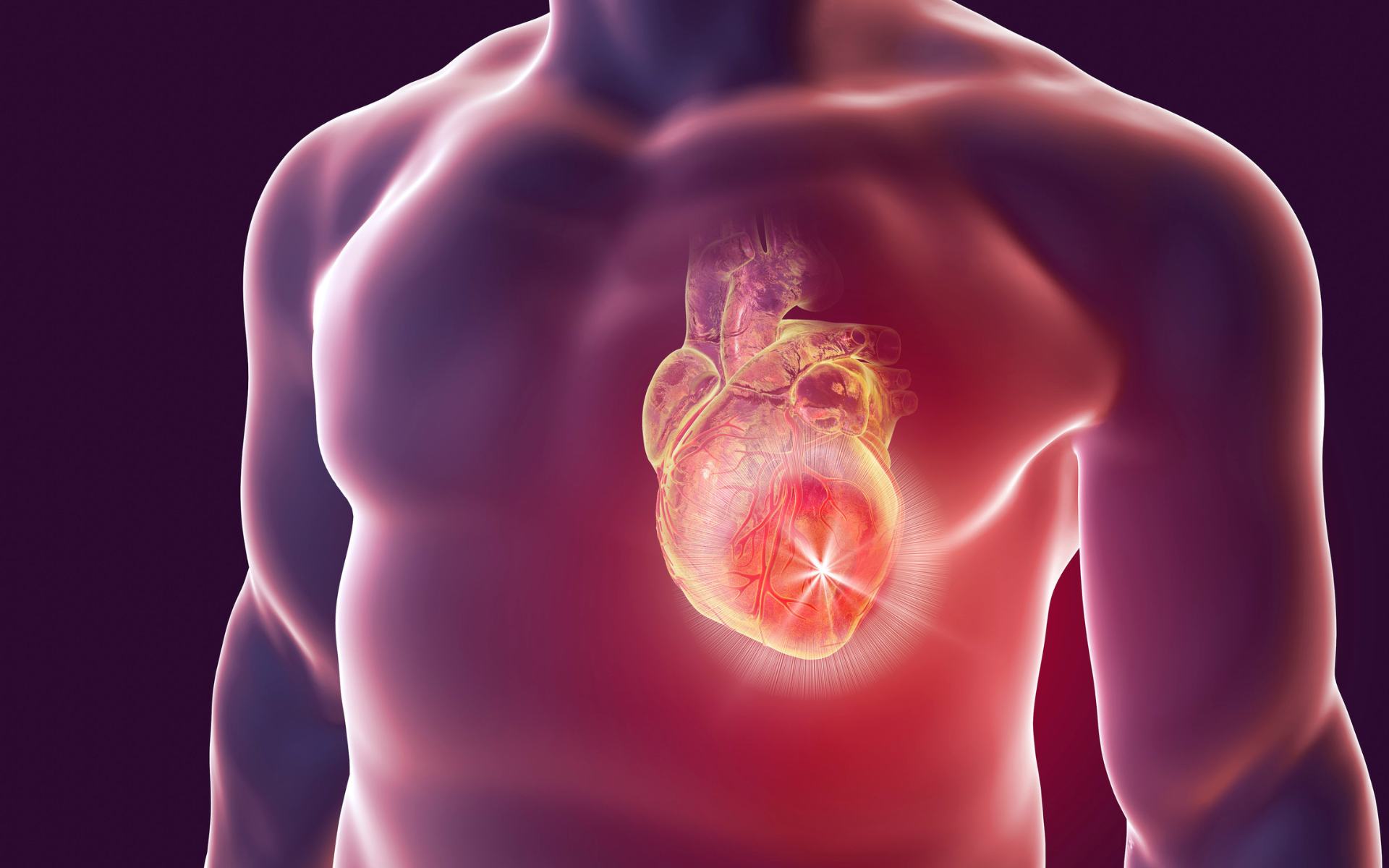
Heart blockages have long been associated with high cholesterol, fatty deposits, and unhealthy diets. While these remain important risk factors, modern cardiology now recognizes that heart blockages are no longer caused by cholesterol alone. In recent years, lifestyle changes, environmental influences, stress levels, and metabolic disorders have dramatically increased cardiovascular risk—even among young individuals who have normal cholesterol levels.
According to leading cardiologists, including Dr. Honey Sharma, one of Mohali’s trusted heart specialists, today’s patients are experiencing blockages due to several new-age causes that didn’t exist a generation ago. Understanding these evolving risk factors is essential for prevention and early diagnosis.
This in-depth guide explores the modern causes of heart blockages, how they develop, symptoms to watch for, and what you can do to protect your heart.
Understanding Heart Blockages: Not Just a Cholesterol Story
Traditionally, heart blockages were believed to happen mainly due to cholesterol plaque building up inside arteries. While this is still true, it’s only part of the picture today. Heart blockages also involve:
- Inflammation
- Oxidative stress
- Hormonal imbalance
- Insulin resistance
- Endothelial (blood vessel) dysfunction
- Genetic and lifestyle triggers
Many people today experience normal or mildly elevated cholesterol levels yet still develop severe coronary blockages. Why? Because the modern lifestyle introduces new, powerful triggers that accelerate artery damage.
New Age Cause #1: Chronic Stress and Cortisol Overload
One of the biggest contributors to heart blockages today is chronic stress. With fast-paced work environments, competitive lifestyles, and constant digital overload, stress levels are higher than ever.
Stress increases the hormone cortisol, which:
- Raises blood pressure
- Increases inflammation
- Causes blood vessels to stiffen
- Triggers abnormal clot formation
- Aggravates heart rhythm irregularities
When stress becomes long-term, the arteries become more prone to developing plaque—even if cholesterol levels are normal.
Warning signs: fatigue, irritability, headaches, sleep issues, palpitations.
Stress-linked blockages are increasingly seen in young working professionals in Mohali, Chandigarh, and other metro regions.
New Age Cause #2: Sedentary Lifestyle and Prolonged Sitting
Modern work culture has made us sit for long hours at desks, in front of laptops or mobile screens. Studies show that sitting more than 8–10 hours a day increases the risk of:
- Blood vessel stiffness
- Poor circulation
- Metabolic slowdown
- Higher blood pressure
- Insulin resistance
Even people who exercise for 30 minutes daily may still be at risk if they sit continuously for the rest of the day.
This “sitting disease” is becoming a major cause of heart blockages in young adults.
New Age Cause #3: Air Pollution and Environmental Toxins
Air pollution in cities like Mohali and Chandigarh has worsened over the years. Pollutants such as PM2.5, smoke, diesel fumes, and industrial chemicals enter the bloodstream and trigger:
- Systemic inflammation
- Blood vessel damage
- Abnormal clot formation
- Faster plaque buildup
Pollution increases the risk of heart attacks even in healthy individuals. People with pre-existing heart conditions must be extremely cautious during high-pollution periods.
New Age Cause #4: Uncontrolled Diabetes and Insulin Resistance
Diabetes has become a silent epidemic. Even more concerning is prediabetes, where blood sugar is high but not yet in the diabetic range.
Diabetes damages arteries by:
- Thickening artery walls
- Increasing inflammation
- Raising triglyceride levels
- Causing microvascular damage
Many diabetics develop severe heart blockages despite having normal cholesterol because sugar damage is more dangerous than cholesterol deposition.
Two modern lifestyle patterns worsen this:
- Frequent consumption of sugary drinks
- High intake of processed carbohydrate foods
Young adults in their 30s and 40s are now being diagnosed with diabetes-related heart blockages, something rarely seen 20 years ago.
New Age Cause #5: Obesity, Even in “Thin-Outside, Fat-Inside” People
Body weight doesn’t always reflect internal fat. Many people appear slim but have excessive visceral fat—known as TOFI (Thin Outside Fat Inside).
Visceral fat accumulates around organs, releasing harmful chemicals that:
- Increase inflammation
- Promote plaque formation
- Reduce insulin sensitivity
Modern diets high in refined carbs, junk food, and sugary beverages fuel this internal fat buildup.
This means even lean individuals can develop heart blockages due to metabolic issues.
New Age Cause #6: Hormonal Imbalance and Thyroid Disorders
Hormonal issues are rising, especially in women.
Conditions such as:
- Hypothyroidism
- Polycystic Ovary Syndrome (PCOS)
- Early menopause
- Stress-induced hormonal imbalance
…directly impact the heart.
They cause:
- High blood pressure
- Higher cholesterol and triglycerides
- Weight gain
- Insulin resistance
- Abnormal heart rhythms
These metabolic effects increase the risk of coronary artery blockages significantly.
New Age Cause #7: Smoking, Vaping, and Substance Use
While smoking is a well-known cause of heart blockages, new-age variations are equally dangerous:
- E-cigarettes
- Vaping devices
- Hookah
- Recreational drugs (cocaine, marijuana in high doses, etc.)
These substances damage the artery lining and cause blood clotting issues. Many young individuals assume vaping is harmless, but studies show it significantly increases inflammation and arterial stiffness.
New Age Cause #8: High Blood Pressure — The Silent Blockage Maker
High blood pressure, especially uncontrolled hypertension, injures the arterial walls and accelerates plaque buildup.
Modern reasons for increasing hypertension include:
- High-salt packaged foods
- Poor sleep cycles
- Obesity
- Stress
- Excess screen time
- Lack of physical activity
High BP often shows no symptoms yet remains one of the strongest predictors of heart blockages.
New Age Cause #9: Poor Sleep Quality and Erratic Sleep Patterns
Sleep disorders are becoming increasingly common, especially among professionals.
Risks associated with poor sleep include:
- Increased cortisol
- Elevated blood pressure
- Insulin resistance
- Reduced heart muscle recovery
- Increased inflammation
Night-shift workers, gamers, and individuals addicted to mobile screens are particularly vulnerable.
Sleep apnea — pauses in breathing during sleep — is also a major cause of sudden heart attacks and blockages.
New Age Cause #10: Genetics, But Accelerated by Lifestyle
Genetic predisposition plays a role, but modern lifestyle magnifies this risk. If a close family member had heart disease before age 55 (men) or 65 (women), your risk is higher.
But the new-age twist is this:
Unhealthy lifestyle accelerates genetic risk faster than ever before.
Even those with mild genetic risks are developing early blockages due to stress, poor diet, and unhealthy habits.
Symptoms of Heart Blockages You Should Never Ignore
Heart blockages often develop silently. But some warning signs include:
- Chest pain or heaviness
- Breathlessness
- Fatigue
- Jaw or shoulder discomfort
- Palpitations
- Pain during exertion
- Dizziness
- Swelling in legs
- Indigestion-like discomfort
- Excessive sweating
If any of these symptoms appear repeatedly, consult a cardiologist immediately.
How Heart Blockages Are Diagnosed
A cardiologist may recommend:
- ECG
- TMT (Stress Test)
- Echocardiography
- Blood tests for cholesterol, sugar & inflammation
- CT Coronary Angiography
- Coronary Angiography
These tests help identify the severity of blockage, its location, and the right treatment approach.
Treatment Options for Modern Heart Blockages
Depending on the severity, treatment may include:
✔ Medications
For mild to moderate blockages:
- Blood thinners
- Statins
- BP medicines
- Diabetes medications
✔ Angioplasty (PTCA)
Used when arteries are significantly narrowed. A stent is placed to restore blood flow.
✔ Coronary Artery Bypass Surgery (CABG)
Recommended for multiple or complex blockages.
✔ Lifestyle Modifications
A cornerstone of treatment, especially with new-age risk factors.
How to Prevent New-Age Heart Blockages – Expert Tips
⭐ Reduce stress
Practice meditation, deep breathing, yoga, and digital detox.
⭐ Improve diet
Avoid refined carbs, junk food, sugary drinks, and excessive salt.
⭐ Stay active
At least 30 minutes of exercise daily + reduce sitting time.
⭐ Manage weight
Focus on reducing belly fat, not just body weight.
⭐ Sleep 7–8 hours
Maintain consistent sleep-wake cycles.
⭐ Quit smoking and vaping
There are no safe alternatives.
⭐ Regular health checkups
Especially after age 30–35.
Expert Heart Care in Mohali — Meet Dr. Honey Sharma
As a top cardiologist in Mohali, Dr. Honey Sharma specializes in:
- Advanced angioplasty
- Coronary imaging (IVUS/OCT)
- Pacemaker implantation
- Heart failure management
- Arrhythmia treatment
- Preventive cardiology
- Holter, TMT, and ECHO services
Patients trust him for accurate diagnosis, compassionate care, and advanced cardiac treatment using modern technology.
To book an appointment or learn more, visit:
🌐 https://drhoneysharma.com/