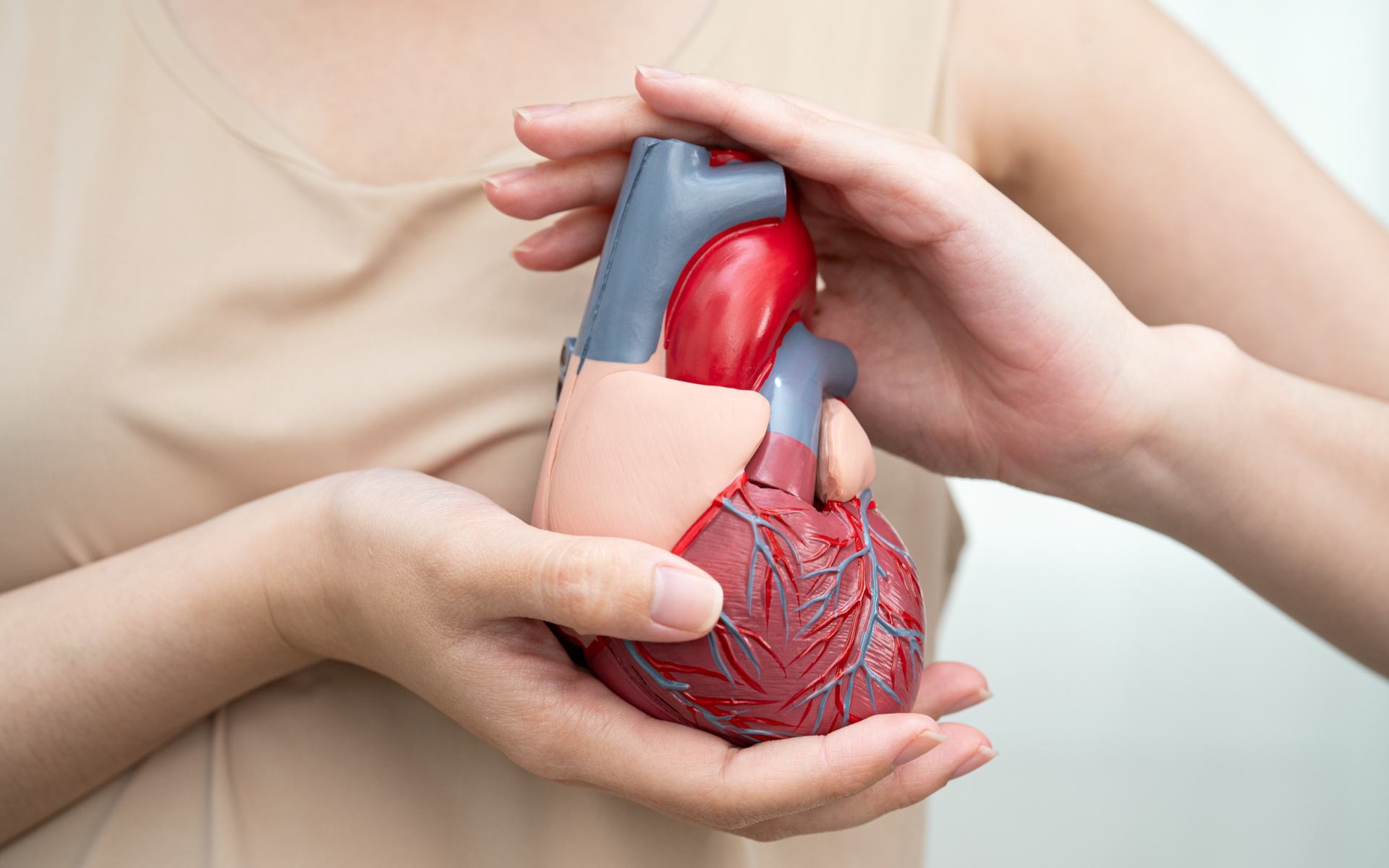
Heart disease has long been considered a “man’s problem,” but the truth is starkly different. In India—and globally—heart disease is the leading cause of death among women, often surpassing cancers and other chronic illnesses. What makes this even more concerning is that women frequently miss, overlook, or misinterpret early cardiac warning signs, leading to delayed diagnosis and more severe complications.
This blog aims to break the myths, explain the unique risk factors women face, and empower women to recognize symptoms early, seek medical care promptly, and protect their heart health proactively.
1. Why Women Need to Pay More Attention to Their Heart Health
For decades, research and awareness campaigns have primarily focused on men, causing a significant knowledge gap. Yet clinical data shows:
- Women often develop heart disease 10–15 years later than men.
- Symptoms in women tend to be subtle or atypical, leading to misdiagnosis.
- Complications and mortality rates following heart attacks can be higher in women, especially if care is delayed.
In essence, women’s heart disease risk is real, rising, and often underestimated.
2. Traditional vs. Unique Heart Disease Risk Factors in Women
Women experience all the classic heart disease risk factors—like high cholesterol, hypertension, obesity, diabetes, and smoking—but they also face gender-specific risks that men don’t. Understanding these gender-based differences is critical for prevention.
Traditional Risk Factors That Affect Both Men & Women
a) High Blood Pressure (Hypertension)
Uncontrolled blood pressure damages arteries over time, leading to plaque buildup and heart strain. Women over 45, especially post-menopause, have a significantly higher risk.
b) High Cholesterol
Elevated LDL (“bad cholesterol”) and lower HDL (“good cholesterol”) contribute majorly to coronary artery disease. Lifestyle, genetics, and hormonal changes all play a role.
c) Diabetes
Diabetes increases heart disease risk more severely in women than in men. It also masks typical symptoms, making diagnosis harder.
d) Smoking & Tobacco Exposure
Even light smoking increases heart attack risk in women. Exposure to second-hand smoke also has a pronounced effect.
e) Obesity & Sedentary Lifestyle
Modern life, desk jobs, and reduced physical activity are making obesity common among women, especially in urban areas—raising heart disease risk.
Unique Risk Factors That Affect Only Women
a) Hormonal Changes During Menopause
Estrogen acts as a natural protector for blood vessels. After menopause:
- LDL levels rise
- HDL levels drop
- Blood pressure increases
- Arteries become stiffer
This combination significantly increases heart disease risk.
b) Pregnancy-Related Complications
Certain pregnancy-specific issues can dramatically increase long-term heart disease risk:
- Gestational diabetes
- Preeclampsia / Pregnancy-induced hypertension
- Preterm delivery
- Pregnancy-related weight gain
Women with complicated pregnancies should follow up with a cardiologist regularly.
c) Polycystic Ovary Syndrome (PCOS)
PCOS increases insulin resistance, weight gain, and inflammation—all strong predictors of heart disease.
d) Autoimmune Disorders
Women are more prone to autoimmune diseases like Lupus and Rheumatoid Arthritis, which increase inflammation and heart attack risk.
e) Emotional Stress & Depression
Women have higher rates of stress, anxiety, and depression due to biological and social factors. Chronic stress can raise blood pressure, cause hormonal imbalance, and contribute to “broken heart syndrome” (Takotsubo cardiomyopathy).
3. Why Women Often Miss or Ignore Cardiac Symptoms
Women frequently dismiss early symptoms as:
- Fatigue
- Acidity
- Stress
- Gas pain
- Muscular pain
Because symptoms aren’t always “classic,” women often delay seeking care by hours or even days, which can be fatal during a heart attack.
4. Common Cardiac Symptoms in Women (Often Different from Men)
Classic Symptoms (Both Men & Women)
- Severe chest pain
- Pressure or tightness
- Pain radiating to left arm or jaw
- Breathlessness
- Sweating
Atypical Symptoms (More Common in Women)
These symptoms are subtle yet dangerous:
- Upper back, neck, or jaw discomfort
- Unexplained fatigue (even days before an attack)
- Lightheadedness or dizziness
- Nausea or vomiting
- Indigestion or heartburn-like feeling
- Pain in the shoulder blades
- Shortness of breath without chest pain
- Sudden sleep disturbances
- Anxiety-like feelings or a sense of doom
Recognizing these early signs can be lifesaving.
5. Why Women’s Heart Attack Warning Signs Are Often Misdiagnosed
There are many reasons, including:
a) Atypical Presentation
Women’s symptoms are more subtle and misleading, causing doctors to initially suspect acidity, anxiety, or musculoskeletal pain.
b) Patients Underestimating Symptoms
Many women prioritize family and responsibilities over their own health, ignoring warning signs.
c) Societal Perceptions
Heart disease is still largely viewed as a man’s illness, which delays diagnosis and treatment in women.
d) Hormonal Masking
Estrogen can mask some early symptoms, making detection harder.
6. Preventive Steps Women Should Take to Protect Their Heart
a) Regular Heart Screening
Women above 35–40 should undergo:
- ECG
- Echocardiography
- Lipid Profile
- Blood sugar tests
- TMT / Stress test (if high-risk)
- Blood pressure monitoring
Early detection is the best defense.
b) Manage Blood Pressure & Cholesterol
Lifestyle changes + medication when needed.
c) Maintain a Healthy Weight
Even a 5–10% weight loss can significantly reduce heart disease risk.
d) Exercise Regularly
30 minutes a day, 5 days a week:
- Walking
- Yoga
- Aerobics
- Cycling
- Strength training
e) Eat a Heart-Friendly Diet
- Cut down on salt and sugar
- Eat more fruits, vegetables, nuts, and whole grains
- Reduce fried and processed foods
- Prefer lean proteins
f) Quit Smoking & Limit Alcohol
These significantly improve long-term heart health.
g) Manage Stress Effectively
Women should adopt practices such as:
- Meditation
- Breathing exercises
- Hobbies
- Social support
- Counseling when needed
h) Follow Up After Pregnancy Complications
Women with a history of preeclampsia or gestational diabetes are at higher long-term risk and should consult a cardiologist regularly.
7. When Should Women See a Cardiologist?
You should consult a cardiologist if you experience:
- Frequent chest discomfort or heaviness
- Unexplained breathlessness
- Irregular heartbeat or palpitations
- Swelling in legs
- Unusual fatigue
- Episodes of dizziness or fainting
- Strong family history of heart disease
- History of pregnancy complications
- Autoimmune diseases
- Menopause-related symptoms with additional risk factors
Early consultation helps prevent severe events like heart attacks, heart failure, or stroke.
8. The Importance of Awareness & Early Action
Raising awareness among women is essential because heart problems often go unnoticed until they become critical. Early steps can change outcomes drastically:
- Quicker diagnosis
- Lower complication rates
- Better recovery
- Higher survival rates
Women need to understand that even mild discomfort may signal a cardiac issue, and waiting too long can be dangerous.
9. Final Thoughts: Women Must Prioritize Their Heart Health
Heart disease in women is preventable, manageable, and treatable—but only when identified early. Women should take their symptoms seriously, undergo regular check-ups, and make heart-healthy lifestyle choices.
Ignoring symptoms or assuming they are due to stress, acidity, or tiredness can delay treatment and increase the risk of complications. Awareness is the first step toward prevention.
If you experience persistent discomfort, breathlessness, or unusual fatigue, don’t wait—consult a cardiologist promptly. Early diagnosis saves lives.