Introduction
Heart disease remains one of the leading causes of death worldwide, but one of its most dangerous characteristics is that it often develops silently. Many people believe that a heart problem always begins with severe chest pain. In reality, numerous heart conditions show subtle warning signs that are easy to ignore or mistake for everyday fatigue, stress, or indigestion.
Modern lifestyles, long working hours, unhealthy diets, lack of exercise, smoking, diabetes, high blood pressure, and rising stress levels have increased the risk of heart disease even among young adults. Recognizing these silent symptoms early can help prevent serious complications such as heart attacks, heart failure, and sudden cardiac arrest.
If you experience any of these warning signs, it is important to seek medical evaluation rather than waiting for symptoms to worsen. Early diagnosis and timely treatment can save your life.
Why Early Detection Matters
Heart disease usually develops gradually over many years. Fatty deposits accumulate inside the arteries, blood vessels become narrower, and the heart has to work harder to pump blood throughout the body.
Unfortunately, many people remain unaware of this damage until a major event like a heart attack occurs.
Regular heart checkups and paying attention to early symptoms can help detect problems before permanent damage develops.
Silent Sign 1: Chest Discomfort That Comes and Goes
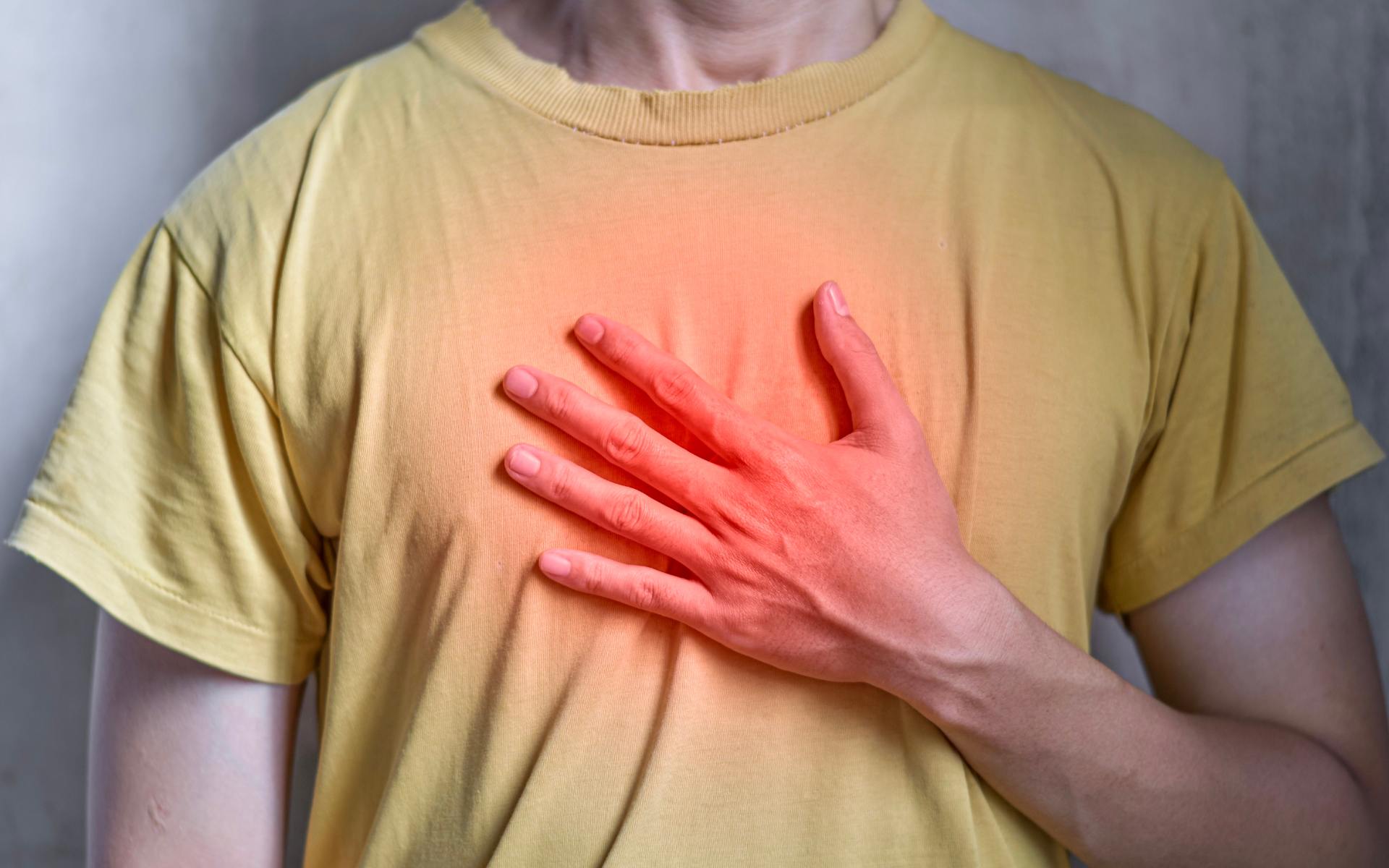
Most people imagine a heart attack as severe crushing chest pain. However, many patients experience only mild discomfort.
You may notice:
- Pressure in the chest
- Tightness
- Burning sensation
- Heaviness
- Mild squeezing
- Chest fullness
The discomfort may last only a few minutes before disappearing.
Because the pain is mild, many people mistake it for:
- Acidity
- Gas
- Muscle strain
- Indigestion
If chest discomfort repeatedly occurs during walking, climbing stairs, emotional stress, or physical activity, it should never be ignored.
Silent Sign 2: Shortness of Breath
Difficulty breathing is one of the earliest signs that the heart may not be pumping efficiently.
You may notice breathlessness:
- While walking
- Climbing stairs
- Carrying groceries
- During light exercise
- Even while resting
When the heart cannot pump enough blood, fluid may accumulate in the lungs, making breathing more difficult.
Sudden breathlessness associated with chest discomfort requires immediate medical attention.
Silent Sign 3: Unusual Fatigue
Everyone feels tired occasionally, but unexplained fatigue that persists despite adequate rest can indicate reduced blood flow to the heart.
Many patients describe:
- Feeling exhausted after simple activities
- Difficulty completing routine tasks
- Lack of energy throughout the day
- Feeling unusually weak
Women often experience fatigue several days or even weeks before a heart attack.
Persistent tiredness without an obvious cause deserves medical evaluation.
Silent Sign 4: Pain in the Jaw, Neck, Shoulder, Arm, or Back
Heart pain does not always remain confined to the chest.
Because nerves supplying the heart also connect to nearby areas, pain may spread to:
- Left arm
- Right arm
- Neck
- Jaw
- Upper back
- Shoulders
Some people experience jaw pain without any chest discomfort.
This type of referred pain should never be ignored, particularly if it occurs during physical activity.
Silent Sign 5: Dizziness or Lightheadedness
Feeling dizzy occasionally may result from dehydration or low blood sugar.
However, repeated dizziness can indicate:
- Poor blood circulation
- Low cardiac output
- Abnormal heart rhythm
- Low blood pressure
- Heart valve disease
If dizziness occurs together with chest discomfort, sweating, or palpitations, emergency medical care is necessary.
Silent Sign 6: Fast or Irregular Heartbeat
Occasional palpitations are common after exercise or caffeine intake.
However, frequent episodes of:
- Racing heartbeat
- Skipped beats
- Fluttering sensations
- Irregular pulse
may indicate an underlying heart rhythm disorder.
Conditions such as atrial fibrillation increase the risk of stroke and require timely diagnosis.
Tests like ECG and Holter Monitoring help identify abnormal heart rhythms.
Silent Sign 7: Swelling in the Legs, Ankles, or Feet
Swollen legs are often overlooked.
When the heart becomes weak, blood circulation slows, allowing fluid to collect in the lower limbs.
Signs include:
- Puffy ankles
- Swollen feet
- Tight shoes
- Leg heaviness
- Weight gain from fluid retention
Persistent swelling should always be evaluated, especially when accompanied by breathlessness.
Other Warning Signs You Should Never Ignore
Besides the seven silent symptoms, several other signs may indicate heart disease.
These include:
- Cold sweating
- Nausea
- Vomiting
- Sudden weakness
- Fainting
- Reduced exercise capacity
- Persistent cough
- Difficulty lying flat due to breathlessness
These symptoms may appear individually or together.
Heart Attack Symptoms in Women
Women often experience different heart attack symptoms than men.
Common symptoms include:
- Extreme fatigue
- Jaw pain
- Back pain
- Shortness of breath
- Nausea
- Indigestion
- Shoulder pain
- Dizziness
Because these symptoms are less obvious, many women delay seeking treatment.
Awareness saves lives.
Silent Heart Attacks in Diabetic Patients
People with diabetes have a higher risk of silent heart attacks.
High blood sugar damages nerves, reducing the sensation of pain.
Instead of severe chest pain, diabetic patients may notice:
- Weakness
- Sweating
- Breathlessness
- Fatigue
- Mild discomfort
Regular heart screening is extremely important for diabetic patients.
Who Is Most at Risk?
Anyone can develop heart disease, but certain individuals have a higher risk.
Major risk factors include:
- High blood pressure
- Diabetes
- High cholesterol
- Smoking
- Vaping
- Obesity
- Family history
- Kidney disease
- Physical inactivity
- Chronic stress
- Poor sleep
- Unhealthy diet
The more risk factors present, the greater the likelihood of cardiovascular disease.
Common Heart Tests That Help Detect Problems Early
Modern cardiology offers several investigations that identify heart disease before serious complications occur.
These include:
ECG
Detects abnormal heart rhythms and evidence of previous heart damage.
2D Echocardiography
Evaluates heart muscle function, valves, and pumping efficiency.
Treadmill Test (TMT)
Assesses blood flow to the heart during exercise.
Holter Monitoring
Records heart rhythm continuously for 24–48 hours.
Blood Tests
Measure cholesterol, blood sugar, and cardiac markers.
Coronary Angiography
Identifies blockages in the coronary arteries when clinically indicated.
Early diagnosis allows treatment before a heart attack occurs.
Lifestyle Changes That Protect Your Heart
Preventing heart disease begins with healthy daily habits.
Important lifestyle measures include:
- Walk at least 30 minutes daily.
- Eat more fruits and vegetables.
- Reduce salt intake.
- Limit sugary drinks.
- Avoid processed foods.
- Quit smoking.
- Maintain healthy weight.
- Sleep 7–8 hours every night.
- Control blood pressure.
- Manage diabetes.
- Reduce stress through meditation or yoga.
- Schedule regular heart checkups.
Small changes practiced consistently have a major impact on long-term heart health.
When Should You Visit a Cardiologist?
Consult a cardiologist immediately if you experience:
- Chest discomfort
- Breathlessness
- Palpitations
- Dizziness
- Swollen legs
- High blood pressure
- High cholesterol
- Diabetes
- Family history of heart disease
- Reduced exercise tolerance
Even if symptoms appear mild, early evaluation can prevent serious complications.
Why Regular Heart Checkups Are Essential
Many heart conditions remain silent until advanced stages.
Routine preventive heart checkups help detect:
- High blood pressure
- High cholesterol
- Early coronary artery disease
- Heart rhythm disorders
- Valve abnormalities
- Reduced heart function
Regular screening becomes even more important after the age of 30 or earlier if you have multiple risk factors.
Preventive cardiology focuses on identifying problems before they become emergencies.
Don’t Ignore What Your Heart Is Trying to Tell You
Your heart often gives subtle warnings long before a serious event such as a heart attack. Recognizing these silent signs and acting quickly can make the difference between early treatment and a life-threatening emergency. Chest discomfort, breathlessness, unexplained fatigue, dizziness, palpitations, swelling in the legs, or pain spreading to the jaw or arm should never be ignored.
If you have diabetes, high blood pressure, high cholesterol, obesity, or a family history of heart disease, regular heart screening is one of the most effective ways to protect your health. Early diagnosis, healthy lifestyle changes, and expert cardiac care can significantly reduce your risk of future heart problems.
For comprehensive heart checkups, ECG, 2D Echo, TMT, Holter Monitoring, hypertension management, preventive cardiology, angiography, angioplasty, pacemaker implantation, and advanced heart care, consult Dr. Honey Sharma, an experienced Interventional Cardiologist serving patients across Mohali, Chandigarh, Zirakpur, Panchkula, Kharar, New Chandigarh, Derabassi, Rupnagar, and the Tricity region.
Book your appointment today:
https://drhoneysharma.com/