
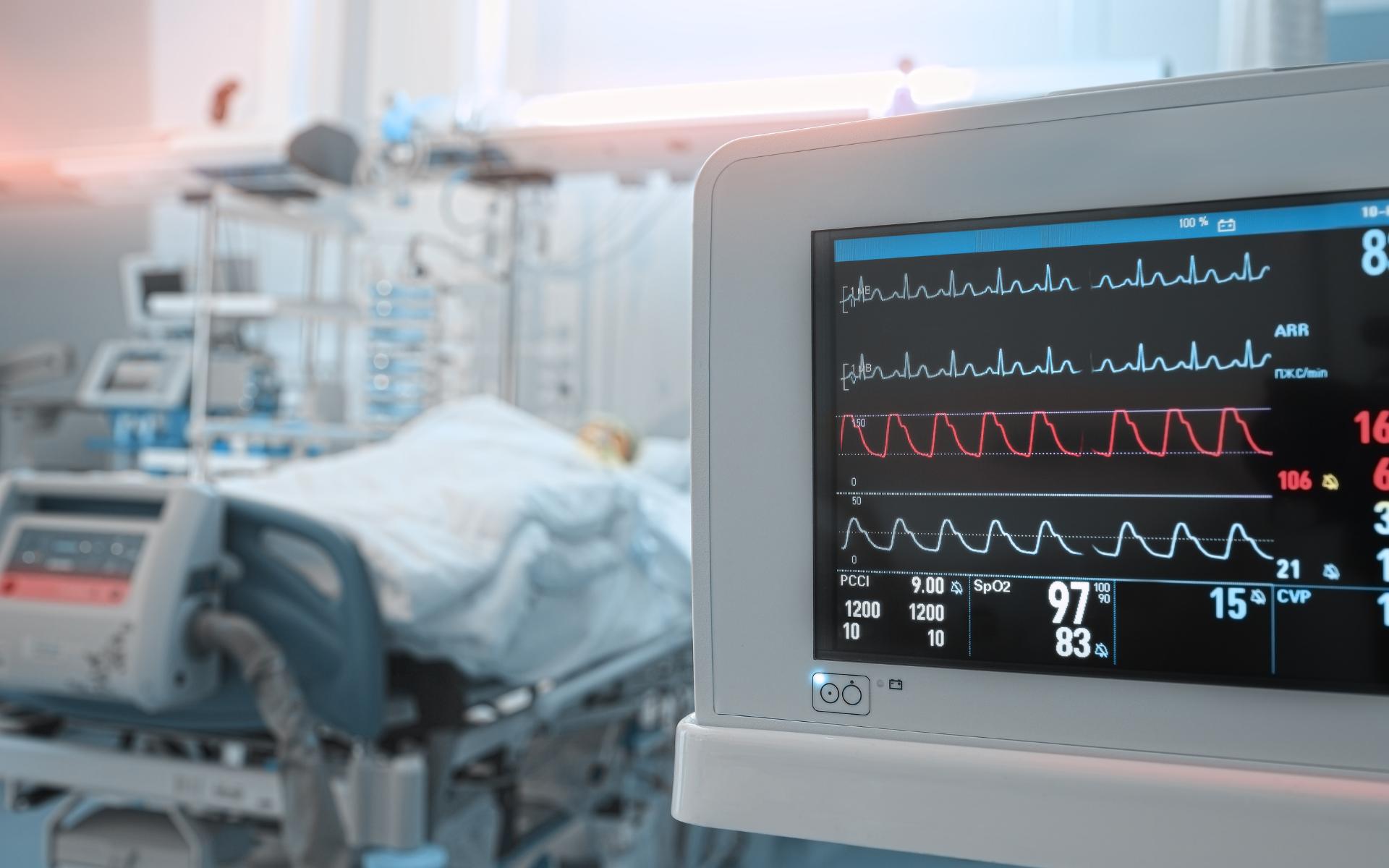
Heart disease is one of the leading health concerns worldwide, and early diagnosis plays a crucial role in preventing serious complications. One of the most commonly recommended heart tests is the ECG, also known as an electrocardiogram. It is quick, painless, affordable, and widely available. Many patients believe that if their ECG is normal, their heart must be perfectly healthy. But is that always true?
The simple answer is no. While an ECG is a valuable diagnostic tool, it cannot detect every heart problem. It provides important information about the electrical activity of the heart, but it also has limitations. Understanding what an ECG can and cannot detect helps patients make better decisions about their heart health.
What Is an ECG?
An ECG, or electrocardiogram, is a test that records the electrical signals generated by the heart. Every heartbeat is controlled by electrical impulses that travel through the heart muscle and coordinate contractions.
During the test, small electrodes are placed on the chest, arms, and legs. These electrodes detect electrical activity and produce a tracing on paper or a digital screen. Doctors use this tracing to assess heart rhythm, rate, and signs of certain abnormalities.
The procedure usually takes only a few minutes and does not involve pain or injections.
Why Is an ECG So Commonly Used?
An ECG is often the first test ordered when someone has chest pain, palpitations, dizziness, fainting, or shortness of breath. It is also commonly used during routine checkups, before surgery, and in emergency settings.
The reason ECG is so popular is because it is fast and accessible. In urgent situations such as suspected heart attack, an ECG can provide life-saving information within minutes.
It also helps doctors identify rhythm disorders and evaluate how the heart is functioning at that moment.
What Heart Problems Can an ECG Detect?
An ECG is very useful for detecting several heart conditions. One of the most important is arrhythmia, which means abnormal heart rhythm. The ECG can show whether the heart is beating too fast, too slow, or irregularly.
It can also detect signs of a current or previous heart attack. In many cases, ECG changes indicate reduced blood supply to the heart muscle.
Other conditions that may appear on ECG include enlargement of heart chambers, electrolyte disturbances, inflammation around the heart, and conduction abnormalities such as bundle branch block.
For many patients, ECG serves as an essential first step in diagnosis.
Can ECG Detect Blocked Arteries?
This is one of the most common questions patients ask. ECG may sometimes suggest reduced blood flow to the heart, especially during a heart attack or active chest pain. However, a normal ECG does not rule out blocked arteries.
Many people with coronary artery disease have a normal resting ECG, especially in the early stages. If the blockage does not significantly affect the heart at rest, the ECG may appear normal.
This is why additional tests such as treadmill test, stress echo, CT angiography, or coronary angiography are often needed when blockage is suspected.
Can ECG Detect Every Heart Attack?
ECG is extremely useful in diagnosing many heart attacks, but not all of them. Some heart attacks cause classic ECG changes, while others may be subtle or delayed.
In the early phase of a heart attack, ECG findings may still be normal. That is why doctors often repeat ECGs over time and combine them with blood tests such as troponin levels.
If symptoms strongly suggest a heart attack, medical treatment may begin even if the first ECG is normal.
Can ECG Detect Valve Problems?
Heart valve diseases involve narrowing or leakage of valves such as the mitral or aortic valve. ECG may show indirect signs of strain caused by valve disease, but it cannot accurately assess valve structure or severity.
The best test for valve problems is echocardiography, which uses ultrasound to visualize the valves and blood flow.
Therefore, ECG alone is not enough when valve disease is suspected.
Can ECG Detect Weak Heart Pumping?
A weakened heart muscle, also called heart failure or reduced pumping function, may sometimes cause ECG abnormalities. However, ECG cannot directly measure how strongly the heart pumps.
Some patients with heart failure may have a nearly normal ECG. Others may show signs such as prior heart attack or chamber enlargement.
To evaluate pumping strength accurately, doctors usually recommend echocardiography.
Can ECG Detect Intermittent Rhythm Problems?
Some patients experience occasional palpitations, skipped beats, or episodes of rapid heartbeat. If these rhythm disturbances are not happening during the ECG recording, the test may appear normal.
This is because a routine ECG records only a few seconds of heart activity.
In such cases, longer monitoring tests such as Holter monitoring or event recorders are more helpful. These devices record heart rhythm over 24 hours or longer.
Why a Normal ECG Does Not Always Mean a Healthy Heart
Many people feel relieved after a normal ECG and assume no further testing is needed. While a normal ECG is reassuring, it does not guarantee that the heart is completely free from disease.
A patient may still have blocked arteries, early heart muscle disease, valve abnormalities, or intermittent arrhythmias not captured during the short recording.
Doctors interpret ECG results in the context of symptoms, medical history, physical examination, and risk factors such as diabetes, smoking, high blood pressure, and family history.
When Additional Heart Tests Are Needed
If symptoms persist despite a normal ECG, further testing may be necessary. Common tests include:
Echocardiography
Used to evaluate heart structure, valves, and pumping strength.
Treadmill Test (TMT)
Assesses how the heart responds to exercise and may reveal hidden blood flow problems.
Holter Monitoring
Useful for intermittent palpitations or rhythm issues.
Blood Tests
Troponin, cholesterol, sugar levels, thyroid tests, and electrolytes may provide valuable clues.
CT Angiography or Coronary Angiography
Recommended when significant blockage is suspected.
Each test has a different purpose, and your cardiologist selects them based on symptoms and risk profile.
Symptoms That Should Never Be Ignored
Even with a normal ECG, some symptoms require prompt medical evaluation. These include:
- Chest pain or pressure
- Shortness of breath
- Fainting or near-fainting
- Rapid or irregular heartbeat
- Sudden sweating with discomfort
- Pain radiating to the arm, jaw, or back
- Unexplained fatigue during exertion
Ignoring symptoms because of one normal ECG can delay diagnosis.
ECG in Preventive Heart Checkups
ECG also has an important role in preventive care. Many adults over 30, especially those with hypertension, diabetes, obesity, or family history of heart disease, benefit from periodic screening.
It can reveal silent rhythm abnormalities or changes suggesting strain on the heart.
However, preventive care should also include blood pressure checks, cholesterol screening, blood sugar testing, weight management, exercise, and lifestyle counseling.
Common Myths About ECG
Myth 1: A normal ECG means no heart disease
Not always true. Some heart conditions require other tests.
Myth 2: ECG is only for older people
False. Younger adults with symptoms may also need ECG.
Myth 3: ECG can diagnose everything
False. It is valuable but limited.
Myth 4: If chest pain comes and goes, ECG is unnecessary
Incorrect. Symptoms should always be evaluated.
How Cardiologists Use ECG Wisely
Experienced cardiologists do not rely on ECG alone. They combine the ECG with history, examination, and other investigations to make an accurate diagnosis.
For example, the same ECG result may mean different things depending on whether the patient is a healthy athlete, an elderly diabetic patient, or someone with active chest pain.
This is why expert interpretation matters as much as the test itself.