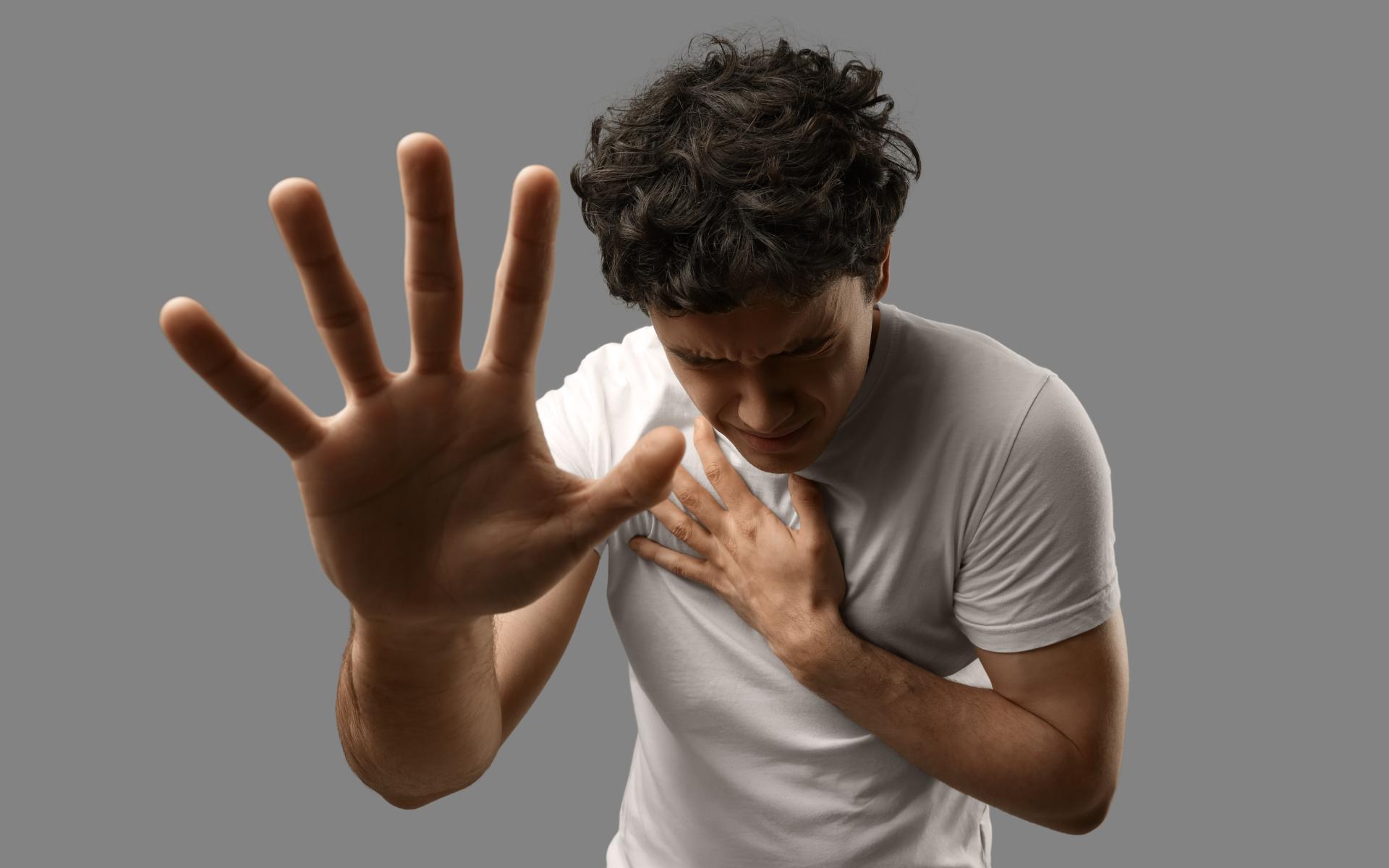
Walking, jogging, gym workouts, cycling, yoga, and other forms of exercise are widely recommended for maintaining a healthy heart. Regular physical activity helps control weight, improve circulation, lower blood pressure, reduce stress, and decrease the risk of diabetes and heart disease. However, rare but alarming incidents sometimes occur where a person suddenly collapses while walking or exercising. These events are often linked to sudden cardiac arrest.
When such cases happen in parks, gyms, running tracks, or even during a morning walk, they create fear and confusion. Many people begin to wonder whether exercise itself is dangerous. The truth is more nuanced. Exercise is generally one of the best things you can do for your heart, but hidden medical conditions, extreme exertion, and ignored warning signs can occasionally turn activity into a trigger.
Understanding sudden cardiac arrest, why it happens, and how to reduce risk can save lives.
What Is Sudden Cardiac Arrest?
Sudden cardiac arrest is a life-threatening emergency in which the heart suddenly stops pumping blood effectively because of a serious electrical malfunction. The heart may quiver chaotically or stop beating properly.
When this happens, blood flow to the brain and vital organs stops immediately. The person may collapse, lose consciousness, and stop breathing normally within seconds.
Without immediate treatment such as CPR and defibrillation, sudden cardiac arrest can be fatal within minutes.
Sudden Cardiac Arrest vs Heart Attack
Many people confuse sudden cardiac arrest with a heart attack, but they are not the same.
A heart attack happens when blood flow through one of the coronary arteries is blocked, damaging the heart muscle. The person may remain awake and conscious.
Sudden cardiac arrest is an electrical problem where the heart suddenly fails to pump. However, a heart attack can sometimes trigger sudden cardiac arrest.
Both are medical emergencies, but cardiac arrest requires immediate CPR and urgent defibrillation.
Why Can It Happen While Walking or Exercising?
Exercise increases heart rate, blood pressure, and oxygen demand. In healthy individuals, this is beneficial and strengthens the cardiovascular system.
But in people with undiagnosed heart disease or electrical abnormalities, physical exertion can sometimes trigger dangerous arrhythmias. Even moderate activity like brisk walking may expose a hidden problem if the heart is vulnerable.
In other cases, severe dehydration, overheating, stimulant use, or pushing beyond physical limits can contribute.
Exercise is usually not the root cause—it is often the trigger that reveals an existing issue.
Hidden Heart Conditions Behind Sudden Collapse
Many people who experience sudden cardiac arrest seemed healthy beforehand. Common underlying causes include:
Coronary Artery Disease
Blocked arteries reduce blood supply to the heart muscle and may trigger fatal rhythms during exertion.
Cardiomyopathy
Diseases that thicken or weaken the heart muscle can increase arrhythmia risk.
Congenital Heart Conditions
Some structural abnormalities are present from birth and may remain undetected.
Electrical Disorders
Conditions like long QT syndrome or Brugada syndrome affect the heart’s rhythm system.
Severe Valve Disease
Damaged valves can strain the heart and lead to complications.
These conditions may produce little or no symptoms until a stressful moment.
Can Healthy Young People Be at Risk?
Yes, although it is uncommon. Young adults and athletes can experience sudden cardiac arrest due to inherited heart muscle disorders or electrical syndromes.
In older adults, blocked arteries are a more common cause.
This is why sudden collapse in a gym or during a run sometimes affects people who appeared fit and active.
Fitness does not always guarantee the absence of hidden heart disease.
Warning Signs That Should Never Be Ignored
Many cases are sudden, but some people experience warning symptoms days, weeks, or months earlier.
Important warning signs include:
- Chest pain or pressure during walking or exercise
- Unusual shortness of breath
- Palpitations or racing heartbeat
- Dizziness or near-fainting
- Fainting during exertion
- Extreme fatigue with routine activity
- Unexplained drop in exercise capacity
These symptoms deserve urgent medical evaluation.
Ignoring them can be dangerous.
Is Walking Safe for Most People?
Yes. Walking is one of the safest and most beneficial forms of exercise for the majority of people.
Regular walking helps lower blood pressure, improve cholesterol, control blood sugar, and strengthen the heart.
For sedentary individuals, older adults, and people recovering from illness, walking is often an ideal starting point.
The key is to begin gradually, especially if you have been inactive.
When Exercise Risk Is Higher
Risk may be higher when someone:
- Starts intense exercise suddenly after years of inactivity
- Exercises despite chest pain or illness
- Has uncontrolled blood pressure or diabetes
- Smokes heavily
- Uses stimulant supplements or drugs
- Is severely dehydrated
- Has known heart disease but ignores medical advice
- Pushes beyond physical limits without conditioning
These factors can increase strain on the heart.
Role of Gym Supplements and Stimulants
Pre-workout powders, fat burners, and high-caffeine products are common among fitness enthusiasts.
Some contain stimulants that raise heart rate and blood pressure. In susceptible individuals, this may increase arrhythmia risk.
Unregulated supplements may also contain hidden substances not listed clearly.
Natural training, hydration, and proper nutrition are safer choices.
Dehydration and Heat Stress
Walking or exercising in hot weather can lead to dehydration and electrolyte imbalance.
Potassium, magnesium, and sodium help regulate heart rhythm. Severe imbalance can increase the chance of rhythm disturbances.
Always hydrate adequately and avoid excessive exertion in extreme heat.
How to Exercise Safely
Safe exercise habits greatly reduce risk.
Start Gradually
If you are inactive, begin with slow walking and build intensity over time.
Warm Up and Cool Down
Allow the heart to adjust rather than changing intensity suddenly.
Stay Hydrated
Drink fluids regularly, especially outdoors.
Avoid Overtraining
Rest and recovery matter.
Listen to Symptoms
Stop immediately if you feel chest pain, dizziness, or unusual breathlessness.
Get Regular Checkups
Especially if you are above 30 or have risk factors.
Who Should Get a Heart Checkup Before Exercise?
A medical evaluation is wise if you have:
- Chest discomfort
- High blood pressure
- Diabetes
- High cholesterol
- Family history of early heart disease
- Smoking history
- Obesity
- Previous fainting episodes
- Sedentary lifestyle starting a new intense program
Screening may include ECG, blood tests, echocardiography, or treadmill testing depending on your profile.
What To Do If Someone Collapses
If a person suddenly collapses while walking or exercising:
- Check responsiveness.
- Call emergency medical services immediately.
- If not breathing normally, begin CPR.
- Use an AED (automated external defibrillator) if available.
- Continue CPR until help arrives.
Immediate action can dramatically improve survival.
Why AEDs Matter in Public Places
AEDs are portable devices that can restore a dangerous heart rhythm with an electric shock.
They are especially valuable in gyms, malls, stadiums, offices, airports, parks, and residential communities.
Communities with wider AED access often save more lives.
Can Exercise Prevent Sudden Cardiac Arrest?
Regular moderate exercise reduces overall risk of heart disease, obesity, diabetes, and high blood pressure—all major contributors to cardiac arrest.
So yes, exercise is protective in the long term.
The goal is not to avoid exercise, but to do it intelligently and safely.
Mental Fear After Hearing Such Incidents
News of someone collapsing during exercise can make people afraid to walk or work out.
This fear is understandable, but avoiding movement creates greater long-term risk.
Sedentary lifestyle is far more harmful for most people than moderate exercise.
Use awareness as motivation for safer habits and preventive checkups.
Preventive Lifestyle Steps
To lower risk:
- Walk regularly
- Maintain healthy weight
- Control BP and sugar
- Avoid tobacco
- Limit alcohol
- Sleep adequately
- Manage stress
- Eat heart-healthy foods
- Get periodic screening
These habits protect both heart rhythm and blood vessels.
When to See a Cardiologist Urgently
Consult a heart specialist if you experience:
- Exercise-related chest pain
- Breathlessness worsening over time
- Palpitations with dizziness
- Fainting or near-fainting
- Family history of sudden death
- Declining stamina without explanation
Timely evaluation can uncover treatable problems.