
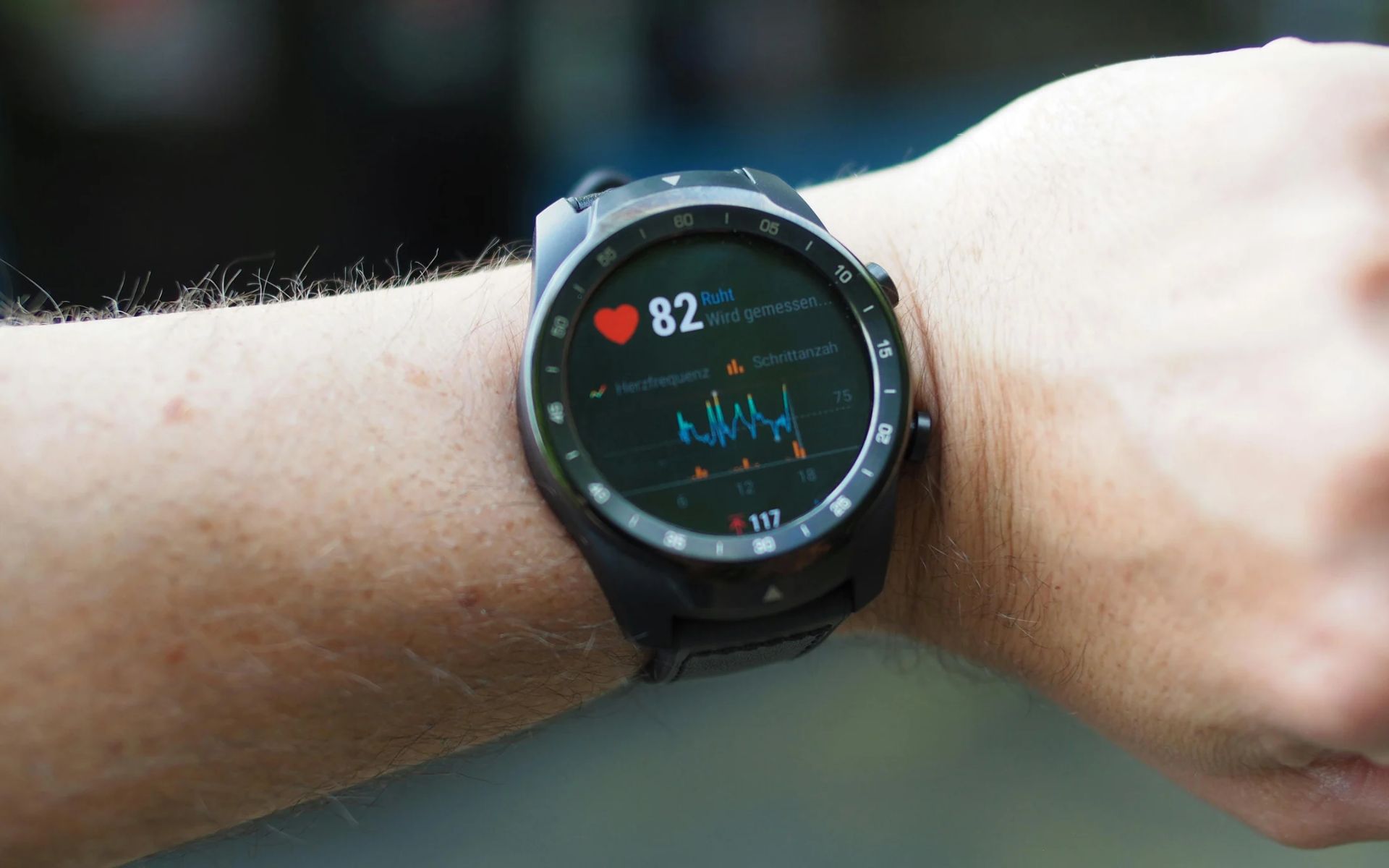
Smartphones and wearable devices are changing the way people monitor their health. Today, many health apps can track daily steps, heart rate, sleep patterns, physical activity and, with compatible devices, certain heart rhythm measurements. Some apps can even alert users to readings that may require medical attention.
But can your phone actually predict heart problems before they happen? The answer is more complicated than it may seem. Health apps can support heart-health awareness, but they cannot reliably predict every heart attack or replace a professional cardiac evaluation.
Understanding what these technologies can and cannot do is essential for making informed decisions about your heart health.
How Do Health Apps Monitor Your Heart?
Many health apps collect information through a smartphone camera, smartwatch, fitness band or connected medical device. Depending on the technology, they may track heart rate, physical activity, sleep duration and other health-related measurements.
Some compatible devices use optical sensors to estimate heart rate by detecting changes in blood flow beneath the skin. Other devices can record an electrocardiogram (ECG), which measures the electrical activity of the heart.
These measurements may help users notice changes in their usual patterns. For example, a person may discover that their resting heart rate has changed or that their physical activity has decreased over several weeks.
However, a change in a health metric does not automatically mean that a person has heart disease. Exercise, stress, fever, dehydration, sleep quality and medication can all influence measurements.
Can Your Phone Detect an Irregular Heartbeat?
Some smartphone-connected devices and smartwatches can identify patterns that may suggest an irregular heartbeat, including possible atrial fibrillation. This is a heart rhythm disorder associated with an increased risk of stroke.
Certain devices can provide rhythm notifications or record a single-lead ECG that may help a healthcare professional assess symptoms. These features can be useful, particularly when an irregular rhythm occurs intermittently.
However, not every device has the same capabilities, and not every alert is accurate. Movement, poor sensor contact and other factors can affect readings. A smartwatch notification is not the same as a confirmed medical diagnosis.
If your device repeatedly reports an irregular rhythm, arrange a medical assessment. A doctor may recommend a clinical ECG or longer-term rhythm monitoring, depending on your symptoms and medical history.
Can Health Apps Predict a Heart Attack?
One of the biggest misconceptions about digital health technology is that a smartphone can reliably predict an impending heart attack.
Although researchers are exploring artificial intelligence, wearable sensors and digital monitoring for cardiovascular risk assessment, ordinary health apps cannot reliably determine when a heart attack will occur.
A heart attack may develop when blood flow to part of the heart muscle becomes severely reduced, often because of a problem involving plaque and a blood clot in a coronary artery. Detecting a change in heart rate alone cannot establish whether this process is happening.
Some apps can estimate general health trends or help users track risk factors, but they should not be used to rule out a heart attack.
If you experience sudden chest pressure or discomfort, significant breathlessness, cold sweating, nausea, faintness or pain spreading to the arm, back, neck or jaw, seek emergency medical care immediately. Do not wait for your phone or smartwatch to issue an alert.
What Heart-Health Information Can Apps Track?
Health apps may provide useful information about daily habits and selected physiological measurements. Their features depend on the device and the app being used.
1. Heart Rate
Heart-rate tracking can help users observe how their pulse changes during rest, exercise and recovery. However, an unusually high or low reading must be interpreted in context.
2. Physical Activity
Step counters and activity trackers can encourage people to move more consistently. Regular physical activity is an important part of cardiovascular prevention.
3. Sleep Patterns
Some devices estimate sleep duration and patterns. This information may help users identify inconsistent sleep habits, although consumer sleep tracking is not a substitute for medical sleep testing.
4. Heart Rhythm
Certain approved or cleared devices can identify patterns that may suggest an irregular rhythm. Alerts should be discussed with a healthcare professional rather than treated as a definitive diagnosis.
5. Blood Pressure and Other Measurements
Some apps record blood pressure readings taken with a compatible cuff. The reliability of blood pressure monitoring depends on using an appropriate, validated device and following measurement instructions. A phone app alone cannot accurately measure blood pressure simply because it is installed.
What Are the Limitations of Health Apps?
Health apps can be helpful, but they have important limitations. Different devices use different sensors and algorithms, and their accuracy varies according to the measurement and the circumstances in which it is taken.
A device may produce a false alert, or it may fail to identify a problem. Not every app has been clinically validated for diagnosing a medical condition.
Another limitation is that a health app does not know your complete medical history unless relevant information has been provided and appropriately interpreted. Age, family history, diabetes, blood pressure, cholesterol, smoking and existing medical conditions all influence cardiovascular risk.
Some people may also become anxious after seeing a single unusual reading. Others may feel falsely reassured when their readings appear normal.
The safest approach is to treat app data as supplementary information, not as a substitute for clinical assessment.
How Can You Use Health Apps Safely?
To get the most benefit from digital health tools, choose reputable apps and devices that clearly explain their intended purpose and limitations.
Use compatible, validated medical devices for measurements such as blood pressure. Follow the manufacturer’s instructions, keep your device updated and avoid making medication changes based only on an app notification.
If you notice repeated changes in your heart rate or rhythm, save the relevant readings and discuss them with your doctor. Recording when symptoms occur can also help your healthcare professional understand the situation.
Most importantly, never use a normal smartwatch reading or app result as a reason to ignore chest pain, breathlessness, fainting or other concerning symptoms.
Why Regular Cardiac Checkups Still Matter
Heart disease risk cannot be assessed accurately through a smartwatch alone. A proper evaluation may include a review of symptoms, family history, blood pressure, cholesterol, blood sugar, smoking status and other relevant risk factors.
Depending on the clinical situation, a cardiologist may recommend an ECG, echocardiogram, TMT, Holter monitoring or additional investigations. Not everyone needs every test; the appropriate evaluation depends on individual risk and symptoms.
Preventive care also involves practical lifestyle measures, including regular physical activity, a balanced diet, avoiding tobacco, adequate sleep and managing conditions such as high blood pressure and diabetes.
For people with a family history of premature heart disease or multiple cardiovascular risk factors, professional risk assessment can be particularly valuable.
When Should You Consult a Cardiologist?
Consider arranging a cardiac consultation if you experience recurring palpitations, unexplained breathlessness, reduced exercise tolerance, dizziness or persistent changes in your ability to perform everyday activities.
You should also discuss repeated abnormal device readings with a healthcare professional, especially if you have known heart disease or other cardiovascular risk factors.
Sudden or severe chest pain, significant breathing difficulty, fainting or symptoms that may indicate a heart attack require emergency medical attention rather than a routine appointment.
Consult Dr. Honey Sharma for Heart Health Guidance in Mohali
Dr. Honey Sharma is an Interventional Cardiologist at Shalby Multi-Specialty Hospital, Sector 63, Mohali. Patients concerned about heart rhythm changes, chest discomfort, breathlessness or cardiovascular risk factors can seek professional evaluation to understand whether further investigation is appropriate.
Cardiac services include ECG, echocardiography, TMT, Holter monitoring and advanced cardiac evaluation when clinically indicated.
For cardiac consultation, contact:
Dr. Honey Sharma – Interventional Cardiologist
OPD 20, Shalby Multi-Specialty Hospital, Sector 63, Mohali, Punjab
Appointments: 79866 15825
Website: https://drhoneysharma.com/