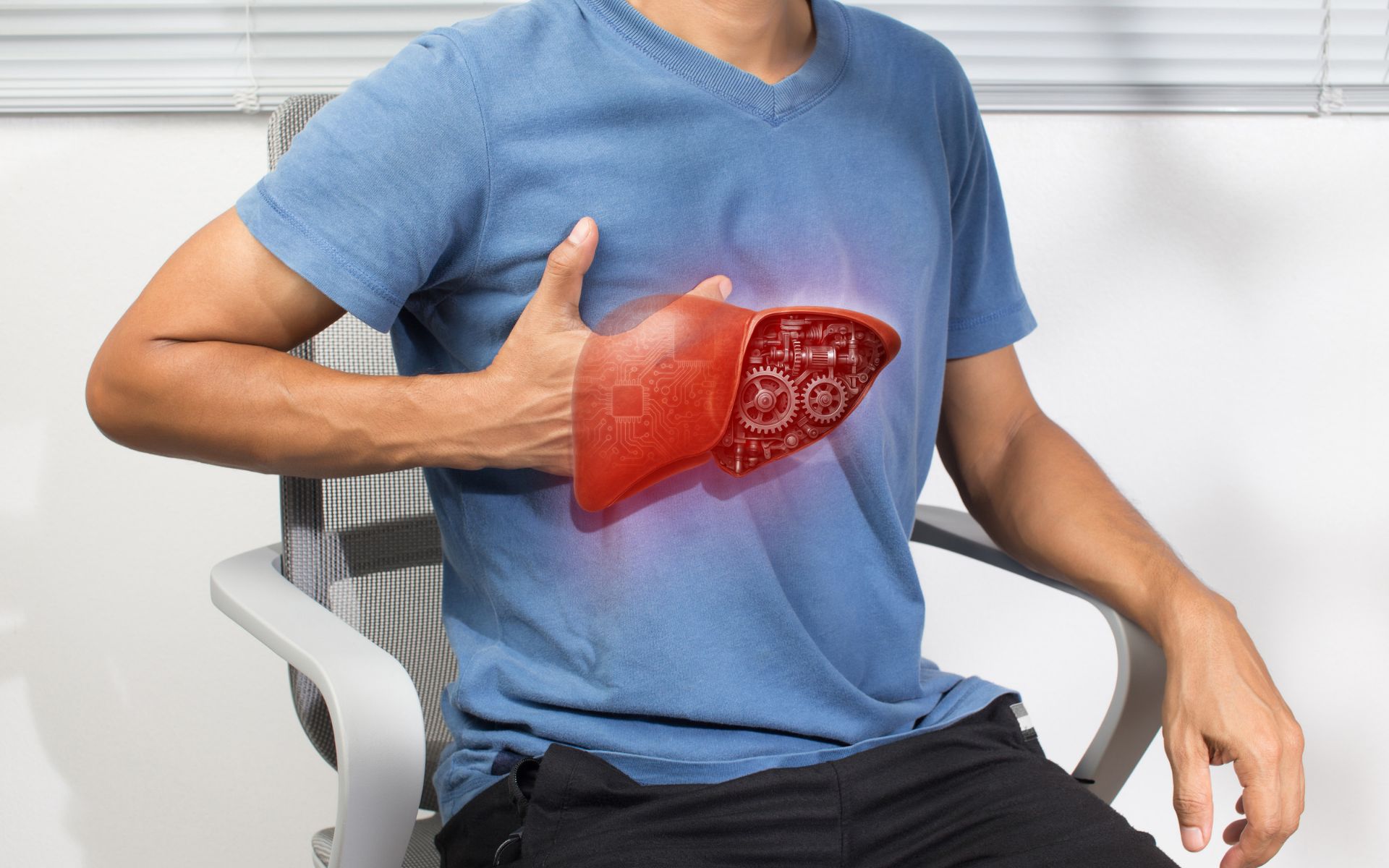
Fatty liver disease is often considered a condition that affects only the liver. However, growing medical evidence suggests that fatty liver disease is closely associated with cardiovascular health. People with fatty liver may also have high cholesterol, diabetes, obesity, or high blood pressure, all of which increase the risk of developing heart problems.
Many people discover fatty liver during a routine ultrasound or health checkup and assume it is not a serious concern. Although mild fatty liver may not cause noticeable symptoms, it can indicate underlying metabolic problems that deserve attention.
Can fatty liver disease increase your risk of heart attack, coronary artery disease, or other cardiovascular complications?
Understanding the connection between fatty liver and heart disease can help you take preventive measures and protect your long-term health.
What Is Fatty Liver Disease?
Fatty liver disease occurs when excess fat accumulates inside liver cells. A small amount of fat in the liver can be normal, but excessive accumulation may affect liver health and is often associated with metabolic abnormalities.
The condition previously called non-alcoholic fatty liver disease (NAFLD) is now commonly referred to as metabolic dysfunction-associated steatotic liver disease (MASLD).
MASLD is associated with metabolic risk factors such as excess body weight, insulin resistance, high blood pressure, abnormal cholesterol levels, and type 2 diabetes.
Some individuals develop a more serious form involving liver inflammation and damage, called metabolic dysfunction-associated steatohepatitis (MASH). In certain cases, this can progress to liver fibrosis or cirrhosis.
However, not everyone with fatty liver develops advanced liver disease.
The important point is that fatty liver may reflect broader metabolic problems affecting multiple organs, including the heart.
How Are Fatty Liver Disease and Heart Problems Connected?
The liver plays an essential role in regulating cholesterol, processing fats, and maintaining blood sugar balance.
When excess fat accumulates in the liver, it is frequently accompanied by changes in metabolism that can affect the cardiovascular system.
Several mechanisms help explain the connection between fatty liver disease and heart problems.
1. Insulin Resistance
Insulin resistance occurs when the body’s cells become less responsive to insulin, making it harder to regulate blood sugar levels.
It is common among people with fatty liver disease and can contribute to the development of type 2 diabetes.
Diabetes is an established risk factor for coronary artery disease, heart attack, stroke, and other cardiovascular complications.
2. Abnormal Cholesterol Levels
People with fatty liver may have elevated triglycerides, low levels of HDL cholesterol, or increased numbers of cholesterol-containing particles associated with atherosclerosis.
These abnormalities can contribute to plaque formation inside the arteries.
Over time, plaque buildup may narrow coronary arteries and reduce blood flow to the heart muscle.
3. Chronic Inflammation
Fatty liver disease, particularly when accompanied by liver inflammation, may be associated with increased inflammatory activity throughout the body.
Inflammation is involved in the development and progression of atherosclerosis, a condition in which fatty deposits accumulate inside artery walls.
However, the relationship is complex, and researchers continue to investigate how much fatty liver independently contributes to cardiovascular disease.
4. High Blood Pressure
Fatty liver frequently occurs alongside hypertension.
Persistently elevated blood pressure increases the workload on the heart and can damage blood vessels over time.
When high blood pressure, diabetes, and abnormal cholesterol levels occur together, cardiovascular risk may increase substantially.
Can Fatty Liver Increase Your Risk of Heart Attack?
Studies have found an association between fatty liver disease and an increased risk of cardiovascular events, including heart attacks.
The American Heart Association has identified fatty liver disease as an important cardiovascular risk factor.
However, having fatty liver does not mean that a heart attack is inevitable.
An individual’s risk depends on multiple factors, including age, smoking status, diabetes, cholesterol levels, blood pressure, family history, and the severity of metabolic disease.
Fatty liver may act as an additional warning sign that a person’s overall cardiovascular risk requires evaluation.
This is particularly important for individuals who have several metabolic risk factors but have not previously undergone a structured cardiovascular assessment.
Does Fatty Liver Cause Blockage in Heart Arteries?
Fatty liver does not directly mean that a person has blocked coronary arteries.
However, fatty liver and coronary artery disease share several underlying risk factors.
Atherosclerosis develops when cholesterol-containing particles, inflammatory cells, and other substances accumulate within artery walls.
People with fatty liver may have metabolic abnormalities that contribute to this process.
As a result, some individuals with fatty liver may also have a higher likelihood of developing coronary artery disease.
It is important to remember that an ultrasound showing fatty liver cannot determine whether coronary arteries are blocked.
A cardiologist evaluates heart disease risk using symptoms, medical history, clinical examination, and appropriate investigations.
What Are the Symptoms of Fatty Liver Disease?
One of the biggest challenges with fatty liver disease is that it frequently causes no obvious symptoms.
Many patients discover the condition incidentally during an abdominal ultrasound or routine medical examination.
Some individuals may experience fatigue or discomfort in the upper-right abdomen, but these symptoms are not specific to fatty liver disease.
Advanced liver disease can produce additional symptoms, although these are not typical of uncomplicated fatty liver.
Because fatty liver may remain silent for years, people with diabetes, obesity, abnormal cholesterol levels, or other metabolic risk factors should discuss appropriate assessment with their healthcare professional.
Who Is at Higher Risk of Fatty Liver and Heart Disease?
Certain health conditions and lifestyle factors increase the likelihood of developing both fatty liver disease and cardiovascular problems.
Obesity and Abdominal Fat
Excess abdominal fat is strongly associated with insulin resistance and metabolic dysfunction.
People with increased waist circumference may have a higher risk of fatty liver, diabetes, and cardiovascular disease.
Type 2 Diabetes
Diabetes is closely associated with fatty liver disease and increases the risk of cardiovascular complications.
People with both conditions may require particularly careful monitoring of blood sugar, blood pressure, cholesterol, and liver health.
High Cholesterol and Triglycerides
Abnormal blood lipid levels can contribute to cardiovascular risk and are commonly seen in people with fatty liver.
Sedentary Lifestyle
Insufficient physical activity can contribute to weight gain, insulin resistance, and poor metabolic health.
Unhealthy Dietary Habits
Frequent consumption of sugary beverages, excessive calories, refined carbohydrates, and foods high in saturated fat may contribute to metabolic problems.
Family History
A family history of premature heart disease, diabetes, or metabolic disorders may influence an individual’s risk.
Importantly, fatty liver can also occur in people who are not visibly overweight.
What Tests Help Assess Fatty Liver and Heart Risk?
If fatty liver is detected, a healthcare professional may recommend additional evaluation based on your medical history and risk factors.
Liver Function Tests
Blood tests such as ALT and AST can provide information about liver injury.
However, normal liver enzyme levels do not completely rule out significant fatty liver disease or liver fibrosis.
Lipid Profile
A lipid profile measures cholesterol and triglyceride levels.
These results help assess cardiovascular risk and determine whether lifestyle changes or cholesterol-lowering treatment may be appropriate.
Blood Sugar and HbA1c
Fasting blood glucose and HbA1c tests help identify diabetes or prediabetes.
Blood Pressure Measurement
Regular blood pressure monitoring is essential because hypertension is an important cardiovascular risk factor.
Liver Ultrasound and Fibrosis Assessment
An ultrasound may identify fatty changes in the liver.
Depending on the patient’s risk profile, a clinician may also use a fibrosis risk score, such as FIB-4, or recommend liver elastography to assess the possibility of liver scarring.
Cardiac Investigations
A cardiologist may recommend an ECG, echocardiogram, or other tests when clinically indicated.
Not everyone with fatty liver requires cardiac imaging or angiography. The decision depends on symptoms, examination findings, and overall cardiovascular risk.
Can Fatty Liver Disease Be Reversed?
For many people, liver fat can decrease with sustained lifestyle changes and appropriate management of underlying metabolic conditions.
However, the potential for improvement depends on the stage of disease. Advanced fibrosis or cirrhosis requires specialist assessment and may not be fully reversible.
Weight management, physical activity, dietary improvements, and effective treatment of diabetes and cholesterol abnormalities are important components of care.
Some patients with more advanced forms of fatty liver disease may qualify for specific medical treatments under specialist supervision.
There is no single treatment suitable for everyone.
A healthcare professional can help develop an individualised plan based on liver health, metabolic risk factors, and other medical conditions.
How to Protect Your Liver and Heart Together
The encouraging news is that many lifestyle measures supporting liver health also benefit the cardiovascular system.
1. Maintain a Healthy Body Weight
For people who are overweight, gradual and sustained weight loss can reduce liver fat and improve metabolic health.
Avoid crash diets or extreme weight-loss methods.
2. Exercise Regularly
Most adults should aim for at least 150 minutes of moderate-intensity aerobic activity per week, if medically appropriate.
Brisk walking, cycling, swimming, and other enjoyable activities can help improve cardiovascular fitness and insulin sensitivity.
3. Follow a Heart-Healthy Diet
Choose vegetables, fruits, whole grains, pulses, nuts, and other minimally processed foods.
Limit sugary drinks, excessive refined carbohydrates, and foods high in saturated fat.
Traditional Indian meals can be made healthier through portion control, balanced ingredients, and appropriate cooking methods.
4. Control Blood Sugar
People with diabetes should follow their prescribed treatment plan and monitor blood sugar as advised.
Good diabetes management helps reduce the risk of long-term complications.
5. Manage Cholesterol and Blood Pressure
High cholesterol and hypertension may require medication in addition to lifestyle changes.
Do not stop prescribed treatment without consulting your doctor.
6. Avoid Smoking and Limit Alcohol
Smoking increases cardiovascular risk and should be avoided.
Alcohol can also affect liver health. People with fatty liver should discuss alcohol consumption with their treating clinician, particularly if liver fibrosis is present.
7. Attend Regular Health Checkups
Follow-up appointments help monitor metabolic risk factors and assess whether additional investigations are needed.
When Should You Consult a Cardiologist?
People with fatty liver should consider a cardiovascular risk assessment when they also have diabetes, high blood pressure, abnormal cholesterol, a family history of premature heart disease, or other significant risk factors.
A cardiology consultation may also be appropriate if you experience recurring chest discomfort, unexplained breathlessness, palpitations, or reduced exercise tolerance.
These symptoms can have several causes and require individual assessment.
If you develop sudden chest pressure, severe breathlessness, cold sweating, fainting, or pain spreading to the arm, jaw, or back, seek emergency medical care immediately.
Do not assume these symptoms are caused by acidity or fatty liver.
Heart Health Assessment With Dr. Honey Sharma in Mohali
Dr. Honey Sharma is an Interventional Cardiologist at Shalby Multi-Specialty Hospital, Sector 63, Mohali.
Patients with cardiovascular risk factors such as diabetes, hypertension, abnormal cholesterol levels, or a family history of heart disease can seek professional guidance regarding appropriate heart-health assessment.
Depending on the patient’s symptoms and clinical findings, cardiac evaluation may include ECG, echocardiography, TMT, Holter monitoring, or further investigations when necessary.
People with fatty liver may also need coordinated care with a physician, endocrinologist, or liver specialist.
For appointments and cardiac consultations:
Dr. Honey Sharma
Interventional Cardiologist
OPD 20, Shalby Multi-Specialty Hospital
Sector 63, Mohali, Punjab
Appointment Number: 79866 15825
Website: https://drhoneysharma.com/
Patients from Mohali, Chandigarh, Panchkula, Kharar, Rupnagar, and nearby areas can contact the clinic for appointment information.