Introduction
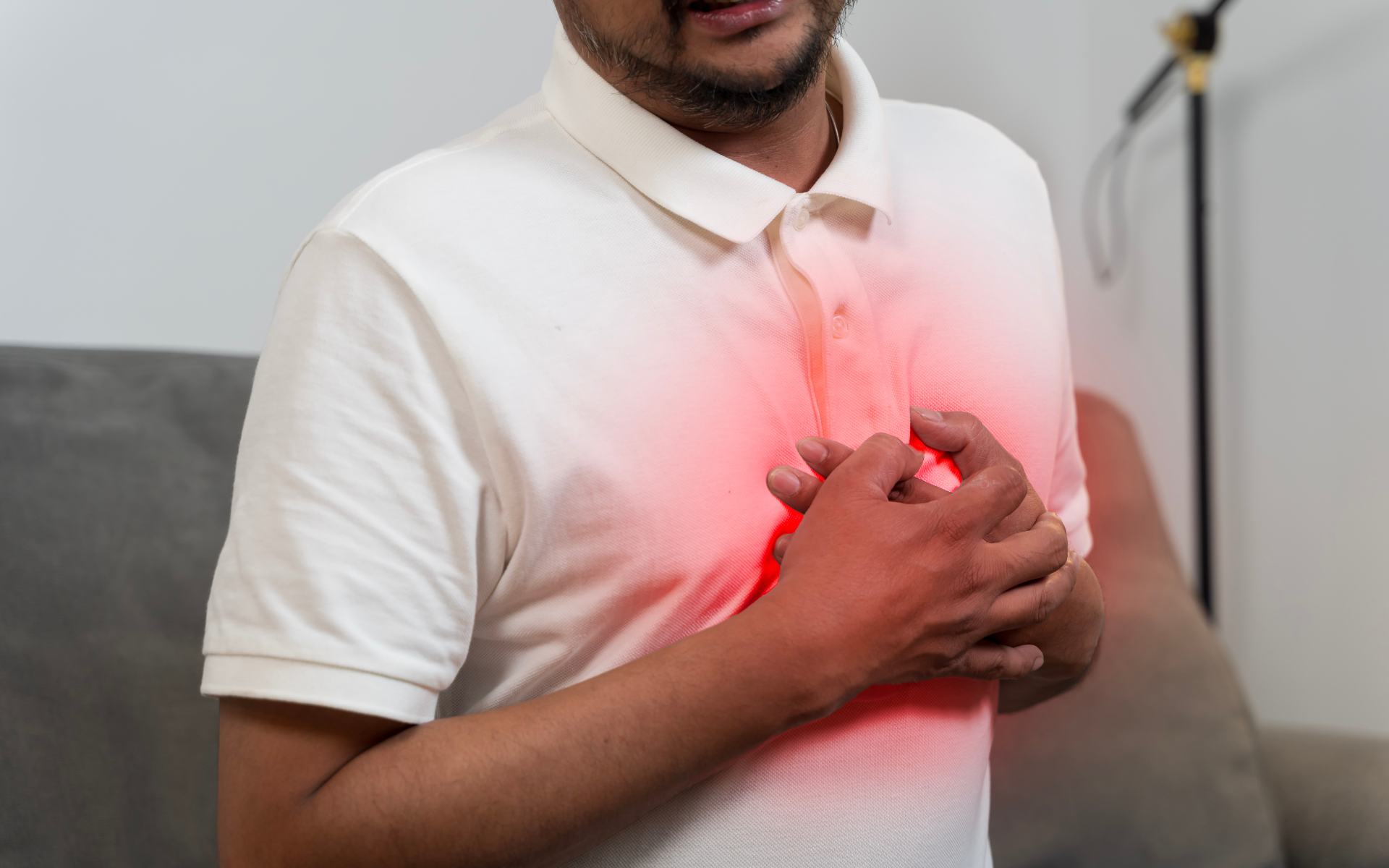
Many people assume that a heart attack always causes severe chest pain. However, this is not always true. In many cases, the early symptoms of a heart attack are mistaken for acidity, gas, indigestion, or muscle strain. This confusion often leads people to delay seeking medical care, increasing the risk of permanent heart damage or even death.
Heart disease remains one of the leading causes of death in India, and recognizing the warning signs early can save lives. While indigestion and gas are common digestive issues, some symptoms may actually indicate a serious heart problem that requires immediate medical attention.
In this blog, we’ll discuss five heart attack symptoms that people often mistake for gas, how to tell the difference, and when to seek emergency care.
Why Heart Attack Symptoms Can Be Confusing
The heart and digestive organs are located close to each other in the chest and upper abdomen. Because of this, pain from the heart can sometimes feel similar to indigestion or acidity.
Many people delay treatment because they believe the discomfort is caused by:
- Acid reflux
- Gas
- Overeating
- Spicy food
- Muscle pain
Unfortunately, every minute counts during a heart attack. Early diagnosis and treatment can prevent serious complications.
Symptom 1: Burning Sensation in the Chest
One of the most commonly misunderstood symptoms is a burning sensation in the chest.
Many people assume it is simply heartburn or acidity after eating.
However, heart-related chest discomfort often feels like:
- Burning
- Pressure
- Tightness
- Heaviness
- Squeezing
Unlike acidity, heart attack pain may occur even when you haven’t eaten recently.
Gas vs Heart Attack
Gas or Acidity
- Usually improves after burping or taking antacids
- Often occurs after heavy meals
- May worsen when lying down
Heart Attack
- Persists despite antacids
- May occur during walking or climbing stairs
- Often accompanied by sweating or breathlessness
If the discomfort lasts more than a few minutes, seek immediate medical attention.
Symptom 2: Upper Abdominal Pain
Heart attacks don’t always cause pain in the center of the chest.
Some people experience discomfort in the upper abdomen, which feels like severe gas or indigestion.
This pain may be:
- Dull
- Heavy
- Constant
- Pressure-like
Because it resembles digestive discomfort, many patients delay visiting the hospital.
If upper abdominal pain occurs along with sweating, nausea, or shortness of breath, it should never be ignored.
Symptom 3: Excessive Burping with Chest Discomfort
Many people believe frequent burping means they simply have gas.
While burping itself is usually harmless, chest discomfort that continues after burping may indicate reduced blood flow to the heart.
Seek emergency care if burping is associated with:
- Chest pressure
- Breathlessness
- Sweating
- Pain spreading to the jaw or arm
- Dizziness
These symptoms require immediate evaluation by a cardiologist.
Symptom 4: Nausea and Vomiting
Heart attacks, especially in women and diabetic patients, may begin with nausea or vomiting.
Many patients assume they have food poisoning or gastritis.
Heart-related nausea often occurs together with:
- Chest discomfort
- Weakness
- Cold sweating
- Breathlessness
- Fatigue
Ignoring these symptoms can delay life-saving treatment.
Symptom 5: Pain That Spreads to the Arm, Neck, Jaw, or Back
Gas pain usually remains in the stomach or chest.
Heart attack pain often spreads to nearby areas because the nerves supplying the heart also serve the shoulders, neck, and arms.
Pain may radiate to:
- Left arm
- Right arm
- Neck
- Jaw
- Shoulder
- Upper back
This is a classic warning sign of heart disease and requires immediate medical attention.
Other Symptoms That Should Never Be Ignored
In addition to the five symptoms above, heart attacks may also present with:
- Shortness of breath
- Cold sweating
- Sudden weakness
- Palpitations
- Dizziness
- Fainting
- Extreme fatigue
Some patients experience only one or two of these symptoms.
Heart Attack Symptoms in Women
Women often experience less obvious symptoms than men.
Instead of severe chest pain, women may notice:
- Nausea
- Fatigue
- Back pain
- Jaw pain
- Breathlessness
- Indigestion
- Dizziness
Because these symptoms resemble digestive problems, women are more likely to delay treatment.
Silent Heart Attacks in Diabetic Patients
People with diabetes are at increased risk of silent heart attacks.
High blood sugar damages nerves, reducing the sensation of pain.
Instead of severe chest pain, diabetic patients may experience:
- Mild discomfort
- Fatigue
- Sweating
- Breathlessness
- Weakness
Routine heart checkups are essential for diabetic patients.
Who Is at Higher Risk?
Certain individuals are more likely to develop heart disease.
Major risk factors include:
- High blood pressure
- Diabetes
- High cholesterol
- Smoking
- Obesity
- Family history of heart disease
- Lack of exercise
- Chronic stress
- Poor diet
If you have multiple risk factors, never ignore symptoms that resemble gas or acidity.
How Doctors Diagnose a Heart Attack
If a heart attack is suspected, doctors may recommend:
ECG (Electrocardiogram)
Detects abnormal heart rhythms and signs of heart damage.
Blood Tests
Cardiac enzymes help confirm whether heart muscle has been injured.
2D Echocardiography
Evaluates heart function and pumping ability.
Coronary Angiography
Identifies blocked coronary arteries and guides treatment.
Early diagnosis allows doctors to restore blood flow quickly through medications or angioplasty.
What Should You Do If You Suspect a Heart Attack?
If you experience symptoms that may indicate a heart attack:
- Stop all physical activity.
- Sit down and stay calm.
- Call emergency medical services immediately.
- Do not drive yourself to the hospital.
- If previously advised by a healthcare professional and it is safe for you, chew an aspirin while waiting for emergency help.
- Inform a family member or someone nearby.
Never wait to see if the pain disappears on its own.
Can Heart Attacks Be Prevented?
Many heart attacks can be prevented through healthy lifestyle choices.
Protect your heart by:
- Exercising regularly
- Eating a balanced diet
- Maintaining a healthy weight
- Controlling blood pressure
- Managing diabetes
- Lowering cholesterol
- Avoiding smoking
- Managing stress
- Sleeping 7–8 hours daily
- Scheduling annual heart checkups
Small lifestyle changes can significantly reduce your cardiovascular risk.
When Should You Visit a Cardiologist?
Book an appointment with a cardiologist if you experience:
- Recurring chest discomfort
- Breathlessness
- Palpitations
- High blood pressure
- High cholesterol
- Diabetes
- Family history of heart disease
- Fatigue during physical activity
Early evaluation can detect heart disease before it becomes life-threatening.
Conclusion
Not every episode of chest discomfort is caused by gas, and not every heart attack begins with severe chest pain. A burning sensation in the chest, upper abdominal pain, nausea, excessive burping with chest pressure, or pain radiating to the arm or jaw may all be warning signs of a heart attack. Ignoring these symptoms or self-medicating with antacids can delay life-saving treatment.
If you have risk factors such as diabetes, high blood pressure, high cholesterol, obesity, or a family history of heart disease, don’t take chances with your heart health. Prompt medical evaluation can make all the difference.
For expert heart care, Dr. Honey Sharma, an experienced Interventional Cardiologist, offers comprehensive cardiac services, including heart checkups, ECG, 2D Echocardiography, TMT, Holter Monitoring, hypertension management, cholesterol evaluation, coronary angiography, angioplasty, pacemaker implantation, and preventive cardiology.
Patients from Mohali, Chandigarh, Zirakpur, Panchkula, Kharar, New Chandigarh, Derabassi, Rupnagar, and the Tricity region trust Dr. Honey Sharma for compassionate, evidence-based, and advanced heart care.
Book your appointment today:
🌐 https://drhoneysharma.com/