Introduction
High blood pressure, also known as hypertension, is one of the most common health conditions affecting millions of people worldwide. Despite being so common, it is often referred to as the “Silent Killer” because it usually develops without noticeable symptoms. Many people feel perfectly healthy while their blood pressure continues to damage their heart, brain, kidneys, and blood vessels.
According to health experts, uncontrolled hypertension is one of the leading causes of heart attacks, strokes, heart failure, kidney disease, and premature death. The good news is that high blood pressure can be detected with a simple blood pressure check and managed effectively through lifestyle changes, medications, and regular monitoring.
Understanding why hypertension is called the Silent Killer can help you recognize its dangers and take action before serious complications develop.
What Is High Blood Pressure?
Blood pressure is the force of blood pushing against the walls of your arteries as your heart pumps blood throughout the body.
A normal blood pressure reading is generally below 120/80 mmHg.
When blood pressure remains consistently elevated, it puts extra strain on your heart and blood vessels. Over time, this continuous pressure damages the arteries and increases the risk of serious cardiovascular diseases.
High blood pressure often develops gradually over many years, which is why many people are unaware they have it until complications occur.
Why Is High Blood Pressure Called the Silent Killer?
Unlike many illnesses, hypertension rarely causes symptoms in its early stages.
Most people with high blood pressure:
- Feel completely normal
- Continue daily activities without discomfort
- Do not realize their blood vessels are being damaged
Because there are no obvious warning signs, the condition can silently harm the body for years before being discovered during a routine health checkup or after a medical emergency.
This hidden nature is the reason hypertension has earned the name “Silent Killer.”
How High Blood Pressure Damages Your Heart
Your heart has to work harder when blood pressure remains high.
Over time, this extra workload causes several problems:
Thickening of the Heart Muscle
The heart muscle enlarges because it has to pump against higher pressure.
Eventually, the heart becomes less efficient and may weaken.
Coronary Artery Disease
High blood pressure damages the inner lining of blood vessels.
This damage encourages cholesterol and fatty deposits to build up inside arteries, reducing blood flow to the heart.
Heart Failure
Long-term hypertension weakens the heart’s pumping ability, leading to heart failure.
Patients may develop:
- Breathlessness
- Fatigue
- Swollen legs
- Reduced exercise capacity
High Blood Pressure Increases the Risk of Heart Attack
One of the most serious complications of hypertension is a heart attack.
High blood pressure accelerates the formation of plaque inside coronary arteries.
When one of these plaques ruptures, a blood clot may completely block blood flow to the heart muscle.
Without immediate treatment, permanent heart damage can occur.
How Hypertension Affects the Brain
The brain depends on a healthy blood supply.
High blood pressure can damage delicate blood vessels in the brain, increasing the risk of:
Stroke
Blocked or ruptured brain arteries reduce oxygen supply, causing permanent brain injury.
Memory Problems
Long-term hypertension has been linked to cognitive decline and vascular dementia.
Mini-Strokes (TIA)
Temporary interruptions in blood flow may produce warning symptoms before a major stroke.
Kidney Damage Caused by High Blood Pressure
The kidneys filter waste products from the blood.
Hypertension damages the tiny blood vessels inside the kidneys, reducing their ability to function properly.
Over time, uncontrolled blood pressure can lead to:
- Chronic kidney disease
- Kidney failure
- Dialysis requirement
People with diabetes are particularly vulnerable.
Damage to the Eyes
Many people don’t realize that hypertension also affects vision.
High blood pressure may damage the blood vessels of the retina, leading to:
- Blurred vision
- Reduced eyesight
- Retinal bleeding
- Vision loss in severe cases
Routine eye examinations can sometimes reveal uncontrolled hypertension.
What Causes High Blood Pressure?
In most people, hypertension develops due to multiple lifestyle and genetic factors.
Common causes include:
- Excess salt intake
- Obesity
- Lack of exercise
- Smoking
- Alcohol consumption
- Chronic stress
- Diabetes
- High cholesterol
- Family history
- Increasing age
- Poor sleep
Often, there is no single identifiable cause.
Common Risk Factors
You are more likely to develop hypertension if you:
- Are above 30 years of age
- Have diabetes
- Are overweight
- Smoke or use tobacco
- Consume excessive salt
- Have high cholesterol
- Have a family history of hypertension
- Lead a sedentary lifestyle
- Experience chronic stress
The presence of multiple risk factors significantly increases your chances of developing cardiovascular disease.
Are There Any Symptoms?
Although hypertension is usually symptom-free, severely elevated blood pressure may sometimes cause:
- Severe headache
- Dizziness
- Blurred vision
- Chest pain
- Breathlessness
- Nosebleeds (occasionally)
- Palpitations
However, many people experience none of these symptoms.
This is why regular blood pressure screening is essential.
How Is High Blood Pressure Diagnosed?
Diagnosis is simple.
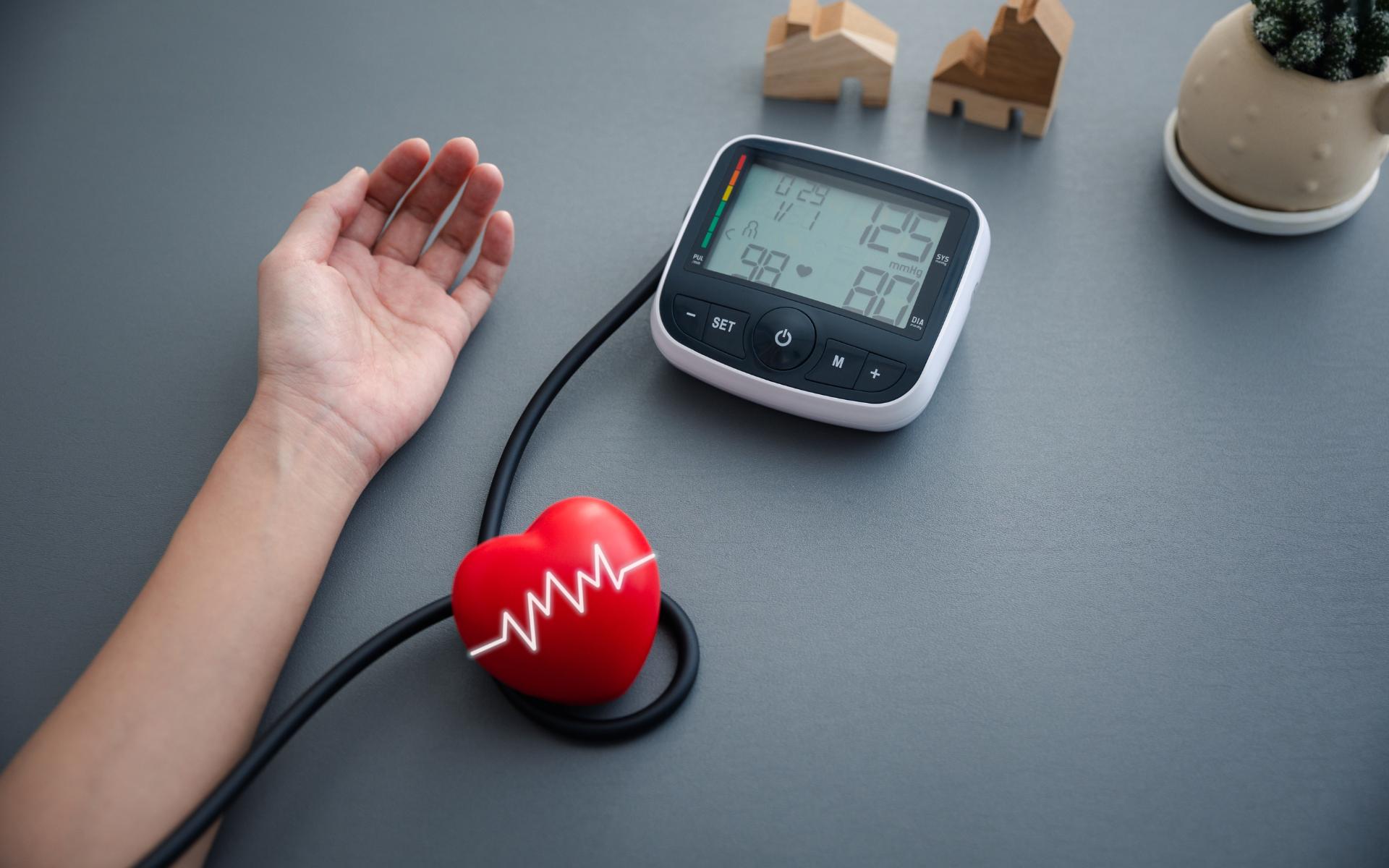
A healthcare professional measures blood pressure using a validated blood pressure monitor.
Sometimes, repeated readings over several visits or home blood pressure monitoring may be recommended to confirm the diagnosis.
Additional investigations may include:
- ECG
- 2D Echocardiography
- Blood sugar testing
- Lipid profile
- Kidney function tests
- Urine examination
These tests help assess the overall cardiovascular risk.
Can High Blood Pressure Be Prevented?
Yes.
Many cases of hypertension can be prevented or delayed through healthy lifestyle choices.
Eat a Balanced Diet
Choose:
- Fruits
- Vegetables
- Whole grains
- Lean proteins
- Healthy fats
Reduce processed foods and sugary beverages.
Reduce Salt Intake
Excess sodium raises blood pressure.
Limiting salt can significantly improve blood pressure control.
Exercise Regularly
Aim for at least 150 minutes of moderate physical activity each week, such as brisk walking, cycling, or swimming.
Regular exercise strengthens the heart and helps lower blood pressure naturally.
Maintain a Healthy Weight
Losing even a small amount of excess weight can reduce blood pressure and lower the risk of heart disease.
Quit Smoking
Smoking damages blood vessels and significantly increases the risk of heart attack and stroke.
Stopping tobacco use is one of the best decisions for your heart.
Manage Stress
Chronic stress may contribute to unhealthy habits and elevated blood pressure.
Helpful stress-management techniques include:
- Meditation
- Yoga
- Deep breathing exercises
- Spending time with family
- Regular physical activity
Get Quality Sleep
Poor sleep and untreated sleep disorders can contribute to hypertension.
Aim for 7–8 hours of restful sleep every night.
Importance of Regular Blood Pressure Monitoring
Since hypertension often has no symptoms, routine monitoring is essential.
Adults should have their blood pressure checked regularly, especially if they:
- Are over 30 years old
- Have diabetes
- Have obesity
- Have high cholesterol
- Have a family history of hypertension
- Smoke
- Have kidney disease
Early detection allows treatment before complications occur.
When Should You Visit a Cardiologist?
Consult a cardiologist if you have:
- Persistently high blood pressure readings
- Chest pain
- Breathlessness
- Palpitations
- Dizziness
- Swelling in the legs
- Diabetes or high cholesterol
- A family history of heart disease
A cardiologist can evaluate your overall cardiovascular risk and recommend the most appropriate treatment plan.
Expert Hypertension and Heart Care in Mohali
Managing high blood pressure requires more than just medication—it involves a comprehensive approach that includes lifestyle modification, regular monitoring, and early detection of heart disease. Routine evaluations with ECG, 2D Echocardiography, TMT, Holter Monitoring, cholesterol testing, and preventive heart checkups help identify complications before they become serious.
Dr. Honey Sharma, a leading Interventional Cardiologist in Mohali, provides expert care for patients with high blood pressure, heart disease, chest pain, arrhythmias, coronary artery disease, and preventive cardiology needs. She offers personalized treatment plans and advanced cardiac services, including angiography, angioplasty, pacemaker implantation, hypertension management, and comprehensive heart checkups.
Patients from Mohali, Chandigarh, Zirakpur, Panchkula, Kharar, New Chandigarh, Derabassi, Rupnagar, and across the Tricity region trust Dr. Honey Sharma for compassionate, evidence-based heart care.
Conclusion
High blood pressure is called the Silent Killer because it can quietly damage your heart, brain, kidneys, and blood vessels for years without causing noticeable symptoms. The good news is that it is easy to detect and highly manageable when diagnosed early.
Regular blood pressure monitoring, a healthy lifestyle, timely medical care, and routine heart checkups can dramatically reduce your risk of heart attack, stroke, and other serious complications.
Protect your heart before symptoms appear. Schedule your heart checkup today.
Website: https://drhoneysharma.com/